 ]]>
 ]]>
 ]]>
I will be participating in the Chocolate & Art Show in Los Angeles
February 16-17-2018
Come join me for a fun night of art, music and CHOCOLATE !

 Since it is officially fall (my favorite season to go out and shoot all the beautiful color nature is creating), I thought I would make a blog post about photographing the colors of autumn. I would like to share a few tricks that I have learned.
Admittedly, we are not living in the prime locations for foliage photography like the Northeast, or the Southeast, or the Midwest. Those are the regions that produce the most striking and vibrant colors. Locally, though, there is still a lot of beautiful color that will happen a little later in the season -- especially up in the Laguna Mountains you will see bracken fern which turns golden brown and creates a nice contrast against the green forest and in the Cuyamaca State Park you will mostly see black oak trees.
During the autumn months from September to November, the trees start to change in color. The green leaves turn into vibrant yellows, oranges, reds, and rich browns. Each type of tree has its own special color, and it can vary from year to year for each individual tree. When the leaves change color, the chlorophyll -- which gives leaves their green color -- begins to break down, allowing for the masked pigments to show up. Every leaf color derives from a unique pigmentation process and its color change varies wildly depending on the right conditions of light and temperature.The colors usually flow from North to South and in colder higher altitude regions, it starts sooner.The colors usually arrive at the coastlines toward the end of fall.
 Tips:
1. Shoot in Daylight white balance so the colors will not be neutralized as with AWB.
2. Use your RGB histogram instead of the luminosity histogram so you can see if specific channels are clipped and correct as necessary. Find complimentary colors such as reds and greens for example.
3. Good color isn’t enough. Try to find compositions that help the photograph. Look for dominant elements such as one colorful tree, on a plain or some sort of field, vegetation, or a single leaf isolated against a contrasting blue sky.

4.Experiment with a shallow depth of field.
5. Try more unusual and different angles. Go down low or climb up high.
6. Use a zoom or a longer lens and crop in tighter.
7. I especially love the morning light, just before the sun appears and a little while after it has risen, but the late afternoon and evening light is gorgeous as well. An overcast day will bring out the colors even more. These are probably the best times for me, but you can experiment with other types of light as in the middle of the day, or try to backlight your scene and create sunbursts with a small aperture while shooting directly into the sun. This can also add a lot of atmosphere to the shot especially when some sort of mist or haze is present.
 8. Don’t let bad weather hold you back from photographing. Often times in autumn it will rain, storm, or even snow. Rain will bring out the colors even more in the foliage and clouds will add to the images. Take advantage of the atmospheric conditions of fall, such as the morning mists that can add mood and atmosphere to the photographs. In windy conditions, try to experiment with motion blur by putting your camera on a tripod and focus on something static such as a tree trunk. Then use a longer shutter speed and have the surrounding vegetation start to create a soft blurry veil around the focal point such as the static tree stumps. This is perfect for creating more impressionistic photographs.

I have given you some tips that hopefully will help you to go out there and capture some fall colors!
Most important for me, as always is to be present and connect fully with nature. Take a walk through the forest, notice the smell of the foliage, touch the fallen leaves, feel the the different textures of the vegetation, notice the array of colors…Or just sit still and observe for a moment, let the wind blow through your hair, let your eyes gaze softly and see where this takes you. Sometimes one of these moments captures me and that is the one I feel compelled to photograph. I think those are the moments that I connect on a deeper level with what is.
]]>
“We all are bundles of electric waves or streams of particles – proton, neutron, and electrons. If a piece of metal can be transformed into electric or magnetic waves, so can a string of sound, a thought, and a desire.”
 ]]>
Come join me for a fun night of art, music and CHOCOLATE !

]]>
I would love to see you there!

 ]]>

" When we try to pick out anything by itself we find that it is bound fast by a thousand invisible cords that cannot be broken, to everything in the universe" - John Muir
]]>I was filled with awe. ONWARD!

" We must take adventures in order to know where we truly belong"
-Anonymous
]]> “There's always another storm. It's the way the world works. Snowstorms, rainstorms, windstorms, sandstorms, and firestorms. Some are fierce and others are small. You have to deal with each one separately, but you need to keep an eye on whats brewing for tomorrow.” - Maria V. Snyder, Fire Study]]>
Onward!

….I beg you to have patience with everything unresolved in your heart and try to love the questions themselves as if they were locked rooms or books written in a very foreign language. Don’t search for the answers, which could not be given to you now, because you would not be able to live them. And the point is, to live everything. Live the questions now. Perhaps then, someday far in the future, you will gradually, without even noticing it, live your way into the answer...
-Rainer Maria Rilke, Letters to a Young Poet
]]>

"Before there were any Indians, the Legend People, To-when-an-ung-wa, lived in that place. There were many of them. They were of many kinds – birds, animals, lizards and such things, but they looked like people. They were not people. They had power to make themselves look that way. For some reason the Legend People in that place were bad; they did something that was not good, perhaps a fight, perhaps some stole something…. the tale is not clear at this point. Because they were bad, Coyote turned them all into rocks. You can see them in that place now all turned into rocks; some standing in rows, some sitting down, some holding onto others. You can see their faces, with paint on them just as they were before they became rocks. The name of that place is Angka-ku-wass-a-wits (red painted faces). This is the story the people tell."
-Paiute Indian legend

I arrived in the late afternoon on my first day at Bryce. I had been driving all day leaving the valley of fire behind me with lots of wonderful impressions to process. I was eager to finally walk up to the edge of the amphitheater and see with my very own eyes what it is all about. Once I parked my car, I grabbed my equipment and walked over. I wanted to take advantage of the still golden light of the late afternoon. It was much cooler, winter was definitely not over at Bryce, and I had to pull out my cold weather gear to keep warm. When I arrived at the edge of the canyon, I could see that the hoodoos were still partially covered with snow, and it was, of course, crowded with tourists and photographers alike. But, I found a good spot to place my tripod.
 I took a moment and just stood there and looked…my eyes filled with amazement by the vastness and sheer beauty of this place. I took a deep breath in and despite all the people around me, I felt a stillness and calmness that seemed to consume me. I could hear some voices from some late hikers ascending into the canyon. The snow was melting and the trails were icy and slippery; some people used snowshoes while others just walked very carefully. Part of the canyon was now in shadow and other areas were lit up with golden light. The longer I looked, the more excitement stirred within me. I started to see the different colors in the rocks as the sun started to set, and the hoodoos were showered with the golden light. The lines of pine trees and rock formations in the canyon created all sorts of interesting compositions; the melting snow, still partially covering part of the canyon, was adding interest. Filled with excitement, I framed my first shot. I had spotted a rim covered with snow, which formed a line cutting through the pine trees and rocks. The pine trees, rock formations and the little patches of snow in-between were broken up nicely this way. The sun started to really light up different parts of the canyon in shades of orange. I kept shooting, forgetting everything around me; I couldn't stop…I was mesmerized.
 After the sun finally disappeared and most people left, I noticed that about 10-20 min after the sun had set, the afterglow of the sunset created beautiful colors contrasting with the now blue sky. I had talked earlier with another photographer from the greater area. He said he didn't quite understand why everyone left right after the sun had set. I agreed, as I had just noticed myself how the hoodoos were glowing. Very excitedly, he showed me a close-up of some which were lit up in shades of red surrounded by the cooler light of the blue hour. It was getting late, and my hands started to get really cold. I wasn't ready to leave yet though. I stayed for about another 20 minutes, but at that point it was really time to pack up, rest up, and get ready for the next morning. I had initially thought of camping, but temperatures were still in the high 30’s at night, so I decided to book a room for my stay in the Bryce area. I was looking forward to sleeping in a bed for the night, take a hot shower, and enjoy hot coffee in the morning. It’s funny how when you remove yourself from some of the conveniences of modern life, a cup of hot coffee and a hot shower can become the highlight of your day….well, besides photographing that is :-)
 The next morning it was very cold; I put on several layers of clothes, gloves, a hat, and a thick scarf. When I walked to the edge of Bryce, through the snow, I could start to feel the penetrating cold. I assembled my tripod and started setting up my camera. SUNRISE was beyond spectacular here. WOW! I forgot about how cold it was, but it didn't cease being amazing once the sun was up. Now, I started to slowly and carefully descend into the canyon. I was surrounded by the sound of melting snow and people shuffling through the icy trails. Once in a while, I heard some chatter from nearby hikers or a bird of prey flying over. The sun started to light up the deeper parts of the canyon. It was getting warmer, and I was able to shed some layers of clothing. Being inside the canyon was a whole different experience.
 When I visit a place with my camera I have not been to; it's a little overwhelming at first, because I see a lot of compositions to explore, but I know I have to get over my initial amazement and keep exploring until I’m captured by something that moves me on a deeper level. I allow myself to be open and keep shooting, but most of the time; the moments that truly capture me are those that resonate with me past the first encounter. Sometimes, this does happen at first sight; sometimes it’s during a return visit, and the ones that I missed visit me in my dreams :-) I have said this before, but photographing is like falling in love.
ONWARD!
]]>

 Big Bay Boom - Independence Day 2014
Since we are getting close to Independence day, I thought I would share a few of the things I have learned about shooting fireworks.
- Scout your location Think about how you can ground the fireworks and add elements into the frame that reveal your location. This will make your fireworks photographs stand out!
- Tripod The camera needs to be as stable and shake-free as possible.
- Cable release To avoid introducing any sort of shake.
- Headlight In case you are in a place where it is very dark, a headlight will help you to find your way around and keep your hands free.
- “Magic black cloth” I carry a piece of black cloth with me to cover the lens in between fireworks bursts. This will allow you to get multiple bursts into one frame.
- Lens choice Anything from a wide-angle to a mid-telephoto works. It really depends on the look you are trying to achieve. It’s easier to start with a wide-angle lens and then try different lenses.
- Manual Mode I will use the first burst to determine my exposure.
- Aperture start at f/8 – f/16 Again, fireworks are bright, so this will allow me to shoot at smaller apertures and longer shutter speeds. I determine aperture from my first test shot of the first burst.
- Low ISO Fireworks are bright, and you really want to capitalize on the ability to use longer shutter speeds so you can have multiple bursts in one shot. In between bursts, I will use the magic cloth to cover my lens.
- Manual Focus The first burst is also helping me to set my focus. I will manually focus on the burst and then I lock it. Usually the fireworks are photographed from a distance and shooting at f/8 – f/16 will give enough of a range of acceptable focus.
Let me know if you found these tips helpful. I would love to see some of your shots, and I’m looking forward to capturing this year’s fireworks!
Happy shooting and happy Independence day!
]]> “Beyond the glittering street was darkness, and beyond the darkness the West. I had to go.”
- Jack Kerouac, On The Road
 Monument Valley - Tsé Biiʼ Ndzisgaii, Valley of the Rocks
This was my first visit to Monument Valley. I was amazed and awed as I stood in the visitor parking lot, above the valley floor, looking at the massive sandstone buttes. From here, I had spectacular views of the valley's most photographed peaks - East and West Mitten Buttes, and Merrick Butte. Monument Valley is what most of us truly associate with the "American West." There was a slight chill in the air – slightly windy, overcast skies. The following day turned out to be very similar, and I started to wonder if I should pack up and leave. I was experiencing bland skies, and the dust seemed to get into every piece of my equipment. But just then, the clouds began to move, the sky opened up a little, and so I decided to stay another night.
 Hopefully, I would experience a better sunrise and sunset the following day. Fortunately, the next day I had better conditions. I thought of hiring a guide and a horse to reach some of the areas that were not accessible without an official Navajo guide, but I then decided to do this on a return trip with more time and better weather. I explored the rest of the valley with my car; the road was steep and uneven and dust kept stirring up as I descended further into the valley's heart.

 Passing many of the towering cliffs, red mesas, and spire rocks, I encountered free roaming horses and very friendly shaggy dogs that would come right up at every stop. It seemed they were longing for some human interaction. Now, up close, a lot of the rock formation seemed even more massive, and I felt very small right next to them. I started to become fascinated with the different textures of the rocks, and the changing light kept me driving in circles on this 17 mile loop until it was time for me to leave as the sun started to set. Tired from a day of driving and photographing, I decided to settle down for the night. After another bowl of the delicious vegetarian chili - the food that sustained me on this trip :-) , I started reviewing my images on my laptop only to have my eyes fail on me. That’s when I knew it was time to go to sleep so that I stood a chance of getting up early the next morning to shoot sunrise.
 Not surprisingly, sunrise snuck up on me; the minute my eyes opened, I realized it was already happening. I quickly grabbed my shoes, vest, and hat and started running over to the lookout point. I so wished there would have been time for coffee, but it was too late for that. It wasn't the most spectacular of sunrises, but after two days with no color breaking through the clouds, I was excited to witness this. This is what I had been wanting to see! The mesa was colored in shades of orange, but the sky was still partially covered with clouds which kept moving around. The sun then broke through and lit up the entire valley slowly as it kept rising up. As warm as this looked, my hands were freezing cold and a strong wind had come in. I was trying to stabilize my tripod as I shot, totally enthralled by the sudden change in weather and scene. This experience concluded my visit to Monument Valley, and I moved on to Paria. But, before departing, I got that cup of freshly brewed, hot coffee. Yum!
ONWARD!
]]>

"Once again there was the desert, and that only."
- Stephen King, The Gunslinger
]]>
 ]]>

“It is really difficult to describe, with words, what feelings being inside a slot canyon evokes;
it would be like trying to describe how it feels to fall in love. It is something you have to experience for yourself"
- Jennifer Magallon
My recent travels took me to Page, Arizona, where a long time dream of mine came true. I was finally experiencing the beautiful light of the slot canyons. For years, I had been looking at photographs of this region, and I was awe-inspired by them. I knew that one day, I would go and experience it with my own eyes. The canyons are located in the Navajo Nation, just east of Page, Arizona. Upper and lower Antelope Canyons are the most visited slot canyons of the Southwest.
 Upper Antelope Canyon is known as Tsé bighánílíní – “the place where water runs through rocks” – in the Navajo language; and the Lower Canyon Hazdistazí - “spiral rock arches.” Besides visiting these two canyons, I also visited Rattlesnake, Owl, and Mountain Sheep Canyon, and I highly recommend going to some of the lesser-visited canyons to actually have time to connect and experience the beautiful stillness that can be found within them. The canyons felt very mysterious and spiritual to me, perhaps because of their hidden nature. Entering the canyon reminded me of walking into a place like a big cathedral, a place that will leave you in awe with its beauty and vastness and depth – a place of contemplation and stillness and something that demands respect from every visitor.
Slot canyons are very narrow and usually very deep. They can easily be only 3 feet on top but reach down 100 feet. These magnificent canyons have been created by floodwaters rushing through and sculpting the sand or limestone into beautiful sinuous walls.
 To me, the soft-to-the-touch sandstone looked like dancing waves, with the light being the water gently flowing through it. I’m amazed how our brain is capable of making sense when presented with random data, and shortly after entering the canyons, I started to see all sorts of shapes in the sandstone formations - like human faces/forms, animals, and all sorts of things. I even saw something that reminded me of a wild, dragon-like creature. Some of the slot canyons merely look like a crack in the earth from up top, but once you are inside, you will be able to witness how the beams of light that enter the canyons throughout the day at different angles create a dance of light and shadow and turn the sandstone into shades of yellow, orange, red, purple, and blue. You cannot visit the canyons without a Navajo guide; I highly recommend going on a tour specifically for photographers. You will have the expert knowledge and guidance and also benefit from the very-necessary crowd control done by your professional guide.
It will also allow you to have at least a few minutes or more to set up and frame your shot before the next tour enters and it gets tight and busy. At times, it is also very narrow and dark, so I recommend having your camera set up on a tripod, remote control attached and just be ready to shoot! Also, because of the narrowness inside the canyons, don't bring a backpack if you don't have to; it is very crowded, and you will not have a lot of time. Be flexible, patient, and do what you can with what you have. Less gear is really more in this situation. I’m specifically talking about Antelope Canyon; I had no idea it would be as crowded as it was, and I wasn't even there in the peak season.
 I underexposed all my shots by one full stop, which helped quite a bit - plus I bracketed. Shoot from the shadow! It will take a little bit to get a feel for the light in the canyons, but this will help you to get started. You are trying to photograph the reflected light, which occurs when the sunlight hits a canyon wall and reflects that light onto another wall. This is the light that will produce rich saturated colors. If you only have one camera body, I can share with you that I was the happiest with my wide angle lens 16-35mm - and as my post-shoot analysis in Lightroom revealed, I shot most at 16 mm and 35mm. There were a few shots I would have liked to have a longer lens for, so if you have another body equipped with a mid-range zoom, go for it.
 Please don't attempt to change lenses in the canyon. Have a filter in front of your lens and keep wiping it often. The sand is very fine and sticky and will be on and in your equipment very fast. Do anything possible to protect your gear. I was advised to buy a bit of putty goo to pick up the remaining sand dust from the body and lens. It worked very well for me - much better than only the brush that I use to wipe off my equipment.
This was definitely not my last visit to the slot canyons ;-) The dance of shadow and light within the canyons is mesmerizing and kept me engaged and shooting the entire time I was inside. It seemed like a never-ending plethora of possible photographs. I would make my way through the narrow walkways, climb up ladders, and crawl into narrow spaces. Most of the time, my tripod was at its lowest position, and the camera was shooting up, making it very difficult to frame the shot at times. So, the less you carry inside the canyon, the better off you are!
 What really made this visit special was the human connection. My extraordinary guide - he was so kind, modest, and knowledgeable, and he shared so much valuable information with me. He made me understand a lot more about the place than I ever would have learned on my own. Besides being an incredible photographer, he is a studied and talented musician and while we were riding in his car from canyon to canyon, he would play his beautifully composed music for us. In the canyon, he even played the flute. He then shared with us that he only plays his own compositions and when he plays inside the canyons, he feels connected with the place and the people that have once been here but who are no longer with us - he plays for the lost souls in the canyon. We also encountered two small Mohave rattlesnakes in one of the canyons. We were alerted to watch out for them. This was the very first time I was standing in front of a snake in real life; I spotted the first one (to my own amazement since they are surprisingly small). After that initial encounter, I just kept seeing snakes whenever I’d spot a color pattern close to the snake that I had just seen. In the last canyon we visited, our guide told us that he wanted to show us something very special; eager in anticipation of what might be awaiting us around the corner, we followed him inside the canyon. We sat down on a rock and it got really quiet for a moment. We then realized that this was actually the big surprise, so we all chuckled in union, before we leaned into the silence. This less-visited canyon is a place were you can find and connect with complete stillness - something that seems so rare and special in our modern world. I was very thankful to be able to conclude my visit to the canyons with this experience. Thank you!
- ONWARD!

]]>
Shown below is a moment that resonated strongly with me.

]]>

The waste places of the earth, the barren desserts, the tracts forsaken of men
and given over to loneliness, have a peculiar attraction of their own.
The weird solitude, the great silence, the grim desolation, are the very things
with which every desert wanderer eventually falls in love.
- John C. Van Dyke, The Desert, 1901.
]]> ]]>
 ]]>

Artist Interview for RAW San Diego
]]>Juried by Christopher O'Donnell. The opening reception is on January 2, 2015 from 6-8 pm.
]]>
 Check out my photography which is decorating the walls at 2GOOD2B in Encinitas! Here are some photos from the installations. While you're there, you have to try a few dishes from their delicious gluten, corn and soy free menu!

]]>
 Standing at the Grand Canyon's South Rim on this cold and cloudy December day was an awe inspiring experience!
With the constantly changing cloud formations, I was treated to a light show extraordinaire.
]]> ]]>
 ]]>
 ]]>
 ]]>
 ]]>
 ]]>

 ]]>
 "Remember there is no such thing as a small act of kindness. Every act creates a ripple with no logical end"
- Scott Adams
]]> ]]>
 I just wanted to take a moment to thank everyone that came out to the photo show on Saturday. I hope you all enjoyed yourselves and had a great time. If any of you are interested in continuing to follow my project blog, "In my footsteps - A photographic journey through the natural world," I encourage you to please do so. I have some exciting adventures coming up, and I will be visiting more SDHC preserves and posting photos from my visits. Remember, many of these areas are not open to the public, so these photos are a sneak peak into the hidden natural world right here in San Diego! You can follow me by subscribing to my blog (click the orange RSS feed button in the right column), liking my Facebook Fan page if you haven't done so already, or following me on Twitter.

Photos from Saturday's event were taken by my friend, the very talented photographer, Albertine, of "Art of Albertine." They will be coming out soon, and I will share them with you. A few of the show pieces are still available and can be viewed at 3RDSPACE by making an appointment with me. Please email me at: [email protected] or call me at (619) 392-2120 if you are interested in viewing them in person. I can send you the information sheet of what is still available along with a photo of the actual art work. The pieces are discounted and a percentage of the sales will benefit the San Diego Habitat Conservancy. Several people have also asked me if there is a way to purchase my work online. YES, there is: BUY PRINTS. In my online store, the photographs are available in a variety of sizes and finishing options, though at full price.
 Overall, the event was a huge success with over 250 people coming together to support a great cause in an awesome space! This 3 hour show took months of planning and would not have been possible without support from the community and many of my best friends. I especially wanted to thank Peter McConnell, the owner of 3RDSPACE, for his incredible support and mentorship. 3RDSPACE Co-working and Club for the Creative is a beautiful place that is very supportive of both its members and the community. If you would like to learn more about it, sign up for the 3RD MONTHLY newsletter.

I would like to give a big thanks to the GreenGo Grilled Cheese Gastro Truck for coming out. The food was absolutely delicious! The musical performance by Lightning Starts Fire was fantastic and people kept asking me about Indio the entire night! What a talented and amazing young performer.
I also wanted to thank APA San Diego, Medium Festival, and MOPA for showing support for emerging local artists. APA has a photo show,"UNTITLED," coming up at 3RDSPACE on October 25, 2014. This is a very exciting event; the showcased photography will be auctioned off with proceeds benefiting the Museum of Photographic Art. Please come on out if you have time. Also, the Medium Festival of Photography is happening right here in San Diego from October 23-26, 2014. I am really excited about attending this year's event! MOPA's current exhibit, "After Ansel Adams," is still on display until September 28, 2014, so make sure to check it out as well.
Again, THANK YOU all for coming out and making this event such a big success. I have some other exciting projects coming up, and I hope to share them with you when the time comes.
Yours, jennifer

]]>

 ]]>
 The team at the San Diego Habitat Conservancy began management of a site just north of Escondido in Valley Center, next to the Woods Valley Golf Course, in February 2009. Officially known as the Woods Valley Ranch Biological Open Space Preserve, it represents a very large component in the regional corridor lying along Moosa Creek.This preserve was required to be set aside as mitigation for the golf course construction and was to be revegetated with oak riparian and open water habitats. It consists of 116 acres, with an approximate 40 acres having a steep, predominantly southwest facing slope on the north side of Moosa Creek.It is a beautiful image to behold. With 51 acres of Diegan coastal scrub sage, 44 acres of live oak forest, 13 acres of southern riparian forest, and 4 acres of live oak woodland, one can easily get lost in its serenity.The SDHC conducts quarterly monitoring to plan remedial measures and document changes in the habitat composition. The team also conducts an annual outreach with the Woods Valley Ranch Home Owner’s Association to keep the HOA informed of changes and the general health of the ecosystem.
 ]]>
I grew up in the Chicago suburbs and then spent many years in southern Illinois, including my time in graduate school.
What initially drew you to become involved in the preservation effort?
I was already involved in many projects involving land preservation, but this was my first opportunity to actively manage habitat preserves and be involved in the day-to-day decisions.
When did you join the SDHC team and why did you decide to become a part of this organization?
I joined the organization in 2008 because I knew this was a perfect opportunity to get involved with a growing organization that was going to do great things for land conservation in California.
What is your favorite preserve and why?
Each Preserve has it’s own unique attributes, but I would pick Bridges-Santa Fe Creek for it’s diversity of habitats and sensitive species.
Why is it important to focus efforts on San Diego County specifically?
It’s important to focus on San Diego because it is a ‘biodiversity hotspot’, which means that San Diego County supports an incredible array of plants and animals, but many of those species are declining due to development and other disturbance to native habitats.
What has been the reaction of the children at the local elementary schools you've visited?
We’ve had an amazing reaction from the kids who are truly fascinated with the beauty and diversity of San Diego County many of whom didn’t realize how it positively affects all of us. They really enjoy seeing the butterfly collection and different tools and gadgets we use as biologists.
If you could share a message with all of San Diego, what would you share?
I would say that while we all appreciate San Diego for it’s beautiful weather and scenery, it has taken (and will continue to take) the interest and effort of all of us to help preserve large areas of open space not just for plants and wildlife, but for our well being too. Get involved; any level of effort can help from picking up trash, to pulling weeds, to joining SDHC!
]]>Chicago, IL
What initially drew you to become involved in the preservation effort?
Growing up I always liked being outdoors and had a love and respect for animals. Although I lived in Chicago, I was lucky enough to live in a home surrounded by oak trees and have parents that took me on hikes during the summers. Once in college, my passion for exploring and conserving our natural resources was only strengthened. The summer after my 2nd year of university, I studied abroad in Kenya where I focused on wildlife management. That experience was life changing and I knew then that my work would ultimately focus on conserving our natural resources in one way or another.
When did you join the SDHC team and why did you decide to become a part of this organization?
I began volunteering in June 2012 and began working part-time in November 2012 and full-time in October 2013. I wanted to find a more rewarding way to leverage my backgrounds in biology and environmental law and my passion for the outdoors with an organization doing work I support. I was looking for a way to get involved specifically with an organization working on land conservation. I happened upon SDHC’s website, saw they were looking for volunteers, and now here I am more than 2 years later. I love the variety of work I get to do and feel lucky that I get to explore places that very few people do. Plus, I work with some very knowledgeable people who are just as passionate about conservation as I am.
What is your favorite preserve and why?
Bridges & Santa Fe Creek Preserve. All of SDHC’s preserves have something special about them but to me, this preserve really stands out. It is one of the few places that I have visited in southern California that has water (Escondido Creek) running through all year long. Plus, the site is peaceful, rich with a variety of rare and sensitive species, and is a great place for honing my birding skills.
Why is it important to focus efforts on San Diego County specifically?
San Diego County is one of the most biologically diverse areas in the world with nearly 300 rare, threatened, and endangered plant and animal species, more than ANY comparable land area in the continental U.S.! Yet, it is also subject to ever-increasing development which threatens the longevity and health of the area. Over 94% of native grasslands, 70% of coastal sage scrub habitat, and 97% of vernal pools have been destroyed in San Diego County. We need these native habitats not only for the beauty they provide but also for the value they provide to our ecosystem in ways such as reducing air pollution, aiding in flood and erosion control, improving water quality, and supporting animals that provide natural insect and rodent control.
Additionally, San Diego County has a strong coalition of people and organizations working together towards conserving biodiversity on a regional level and ensuring that there is a coordinated effort to create an interconnected preserve system which is vital to maintaining successful wildlife populations. I believe the success of these efforts will serve as an example to other regions throughout California and the rest of the country.
What has been the reaction of the children at the local elementary schools you've visited?
I’ve just started joining Jim on the school visits and I have been so motivated by the reactions we’ve received. Overall the kids have been really inquisitive and excited to hear our story. Let’s not forget about the adults! We’ve been so welcomed by the teachers. It’s just a lot of fun and very rewarding to share our love of nature and spread our message of conservation.
If you could share a message with all of San Diego, what would you share?
San Diego County is a beautifully unique part of the world with the ocean, desert, and mountains all within a short drive. It takes all of us working together and respecting the environment to preserve these wonderful resources. Also, studies have shown that people are increasingly disconnected from nature which is resulting in increased rates of obesity, attention disorders, and depression. So let’s get outdoors and encourage our children to do the same!
]]>
Where are you from originally?
Manhattan Beach, California. I came to San Diego to attend San Diego State University and have been here ever since.
What initially drew you to become involved in the preservation effort?
It probably started with my parents’ influence. Camping trips, traveling, and adventures in the outdoors were regular family recreation. Dad was the floura and fauna enthusiast and mom was a good “armchair” historian and archaeologist. It was through them that I learned to really enjoy natural and cultural resources and learned that these open spaces and resources are important and worth conserving. My parents were both teachers who met teaching at an outdoor camp. I have a few of their old outdoor teaching manuals from the 1950s and early 1960s. Now that SDHC is developing our own educational program, I have read many of the old books to see how to introduce and foster interest in the outdoors and natural sciences. The books are entertaining because of the dated language and photos used in the books, but many of the conservation values and education methods presented are relevant and valid today and we will be using them in our program.
When did you join the SDHC team and why did you decide to become a part of this organization?
I took over as SDHC’s second Executive Director in September 2009. My career prior to joining was as a planner and compliance monitor, so I was familiar with regulatory requirements for mitigation lands and their ultimate preservation. I knew there were long-term managers for the preserved lands, but I did not know the details of how legal protections were applied to the preserved land or the day-to-day operations of management of the land. When I was offered the job, I was excited by the challenge of learning these new details and leading an organization as it grows. I also liked the idea of working for a non-profit, which I had not done before.
What is your favorite preserve and why?
I am going to answer like a proud parent with a lot of children and say, “I love them all equally, but for different reasons.” At Woods Valley Ranch, I am enamored by the tremendous oak groves and rock outcrops, at Lonestar and Vallecitos Ridge I love the vistas, and I like Carlsbad Raceway for its history and for the pleasant surprises we find there as the habitat recovers. I like Emerald Point for its ease of access and being able to show the public how hard and soft engineered solutions can work together in successful habitat restoration in an urban area. I like Bridges for its sheer size, the perennial stream that flows through it, and the abundance and uniqueness of the species that are there. I am looking forward to Seacliff, a new preserve we will start managing this fall, because it will be our first coastal preserve. I could go on and on…
Why is it important to focus efforts on San Diego County specifically?
When I am asked to speak on behalf of SDHC, I am fond of saying, “If you like conservation, you don’t have to go somewhere exotic to do it, you can practice real conservation right here in San Diego and literally in your backyard.” The San Diego Region is one of the world’s few biodiversity hotspots - areas with a high number of plant and animal species with the habitats experiencing a high degree of threat or loss. San Diego as a county has more plants and animal species than 49 states in our nation. Because San Diego County is a great place to live, development of the region has resulted in the pressures and loss of the habitat that supports the wide number of species. So, unfortunately, San Diego County also has the dubious distinction of having the most endangered species of any county in the entire nation.
If you could share a message with all of San Diego, what would you share?
Enjoy what’s around you. It’s truly unique, and it does not occur anywhere else in the world. Pull that non-native plant, replace it with a native plant, and enjoy the increased wildlife it attracts.
]]>
I was walking through the park one autumn day when something happened to catch my attention. When I glanced down to see what it was, I witnessed an amazing array of texture and color semi-submerged in a puddle of cold rainwater. I was immediately intrigued to see this medley of leaves, and I couldn’t help but look around to see where these beautiful leaves had come from. It’s funny how such can inspire you to more deeply take notice of the world around you. All of a sudden, the yellows and oranges of the surrounding foliage began to jump into my awareness, and the initially imperceptible purples began to call out for my attention. It was such a raw and unexpected experience that my mind began recalling memories from my childhood when I would dig my hands into wet leaves and squeeze them tightly so that they would ooze through my fingertips. I instantly recalled how those very leaves felt and how the cold, wet soil would stick to my hands. It’s amazing how a single captured moment has the power to evoke such visceral emotion.
]]> ]]>
 "Sunrise in the White Mountains"

]]>
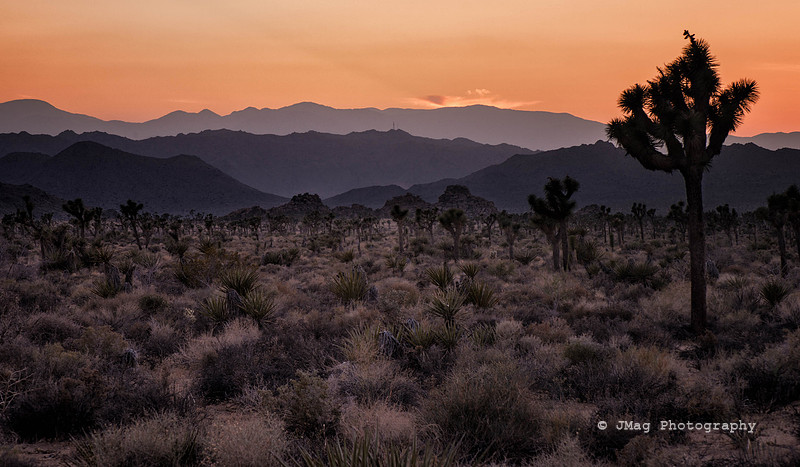
 One of my favorite places to photograph is Joshua Tree National Park. On this day in particular, the clouds came rolling in and brought with them a visually stunning array of weather. But, each time I travel to Joshua Tree NP, I encounter a new and unique aspect that I somehow hadn’t noticed before. It’s that elusive magic that continues to draw me back over and over again. Sometimes, it’s gusts of strong wind that make the vegetation appear as though they are leaning over in sequence or it’s the moon hanging so low that I thought I could touch it, if I only climbed on that boulder up ahead. Sometimes it is the sunlight shining so intensely and at such an angle that the resulting strong shadows create a surreal and otherworldly aura. ]]>
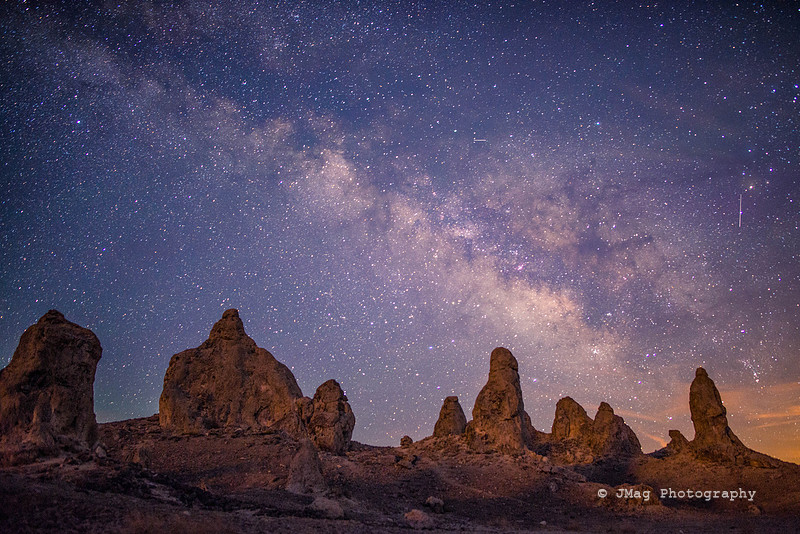 “all hopes there, so close to each other, are pulled into the void every night; when a band of pale twinkles milking the way
across the divine breadth of sky where every heart belongs. From the poem "The Universe In Blossom” - Munia Khan
]]>
 ]]>

]]>
 Earth met sky that day as we climbed in elevation to gain a better view of the valley below. With steady, labored steps, we made it to the hills edge. The gusts of wind were so strong, but the air cold and fresh. I was bundled in several layers of warm clothing and strapped with many lbs of gear, so I had to take several moments to catch my breath. The wind continued to blow intensely as my face grew flush from the chill. As I regained my center and began to set up the photograph, the valley began to disappear beneath the clouds. I was completely taken by this moment as the earth and sky formed a dramatic symphony of clouds, mountains, hills, shadows, and bushes. I felt immersed within it, as though they were all wrapping around me, preparing to whisk me away. As the wind whipped about on this hill's edge, I felt the moment to be wild and strong.
]]>
 ]]>

"A runner must run with dreams in his heart"
- Emil Zatopek
]]>
- Haruki Murakami, Kafka on the Shore

"You just look around, look into the eyes of a child, or into the eyes of your beloved, your mother, your friend - or just feel a tree. Have you ever hugged a tree? Hug a tree, and one day you will come to know that it is not only that you have hugged the tree but that the tree also responds, the tree also hugs you. Then for the first time you will be able to know that the tree is not just the form, it is not just a certain species the botanists talk about, it is an unknown God - so green in your courtyard, so full of flowers in your courtyard, so close to you, beckoning you, calling you again and again."
- Osho

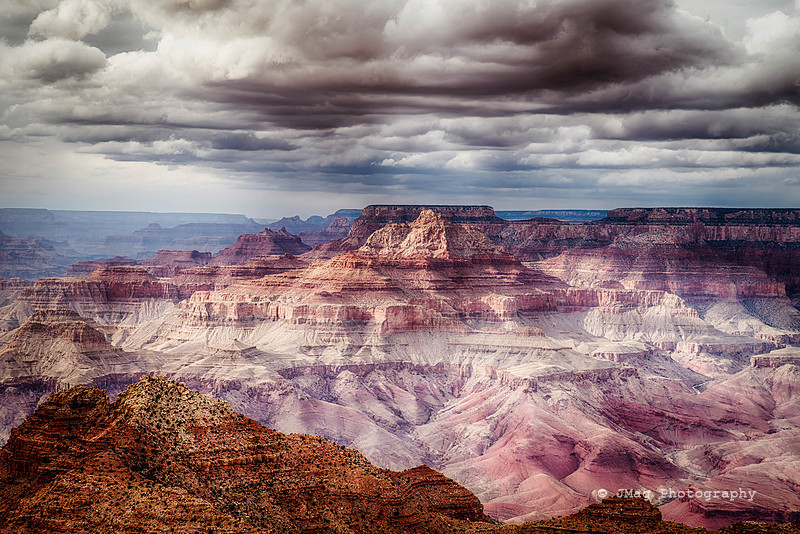 I got up at 3 a.m that cold December morning to drive from Sedona to the Grand Canyon. The sunrise was spectacular, but little did I know how big a treat I was in for. I’d checked the weather forecast the night before, but it didn’t say anything about the snowstorm that was rolling in that day. Ten hours into my trip, a heavy snowfall blanketed the roads and highways. Visibility got so bad I barely could see the lane dividers, and I kept swerving around the road at 15mph as I transited the mountain pass back to Sedona - this was an adventure to remember. After the adrenaline stopped pumping through my veins and my heart settled down a bit, I reviewed my photographs. The constantly-morphing light displays created by the clouds had inadvertently allowed me to capture these dramatic canyon photos and reminded me that with its wild and unpredictable power, nature is beautiful. Seeing the Grand Canyon up close made me realize once more how small we all are in the grand scheme of things.
]]>

“There is something magical about running; after a certain distance,
it transcends the body. Then a bit further,
it transcends the mind. A bit further yet,
and what you have before you, laid bare, is the soul.”
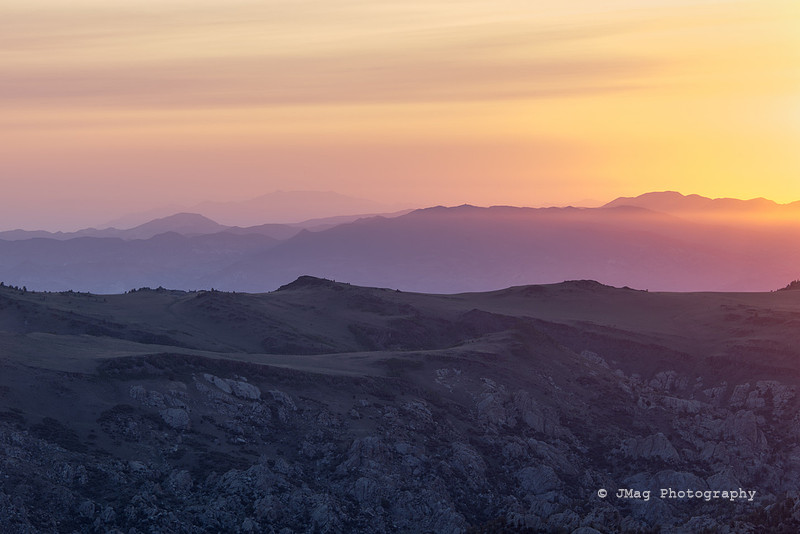
I'm on my way to the White Mountains. I can't believe it has already been a year since I was there last... Tonight, I will be at the Trona pinnacles and shoot the night sky. Here are two photos from last years travels.
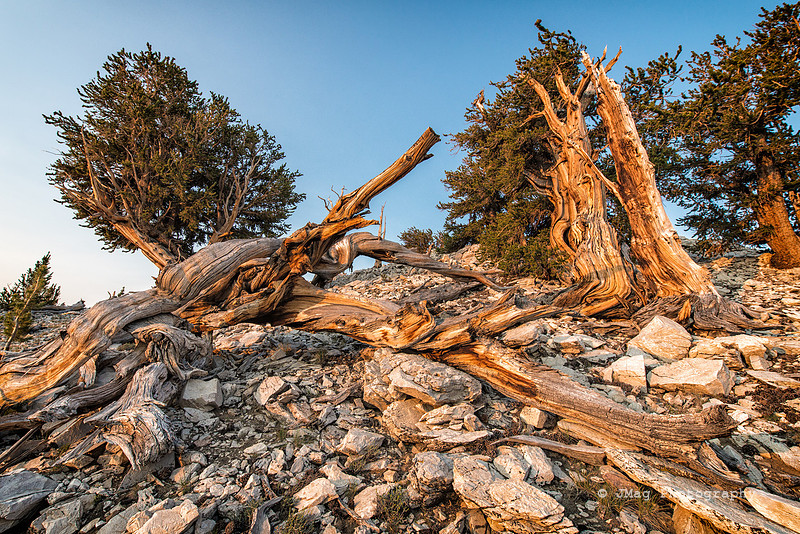
What a magical place! It felt like I was walking through an enchanted forest in the middle of summer….
“Reality lies in the greatest enchantment you have ever experienced.” - Hugo von Hofmannsthal.

 ]]>
 Every sunset I observe has been different. The sun will find a way to hide in a new and unique fashion, tempting you to capture it, only to duck behind a cloud at the very last second – taunting you to try again. Though the sunset is the inevitable conclusion to each day, it is surprising nonetheless. I never tire of it, and I always have a sense of anticipation about what comes after. What will the sunset bring that night? What won’t it bring? I guess it represents my spirituality in that it is my time of reflection and contemplation. I often sit there, sometimes with my camera, and wonder, “What is this moment trying to tell me ? What have I learned this day ?” ]]>

"Pain is inevitable. Suffering is optional"
- Haruki Murakami
\
 ]]>
 ]]>
-German proverb
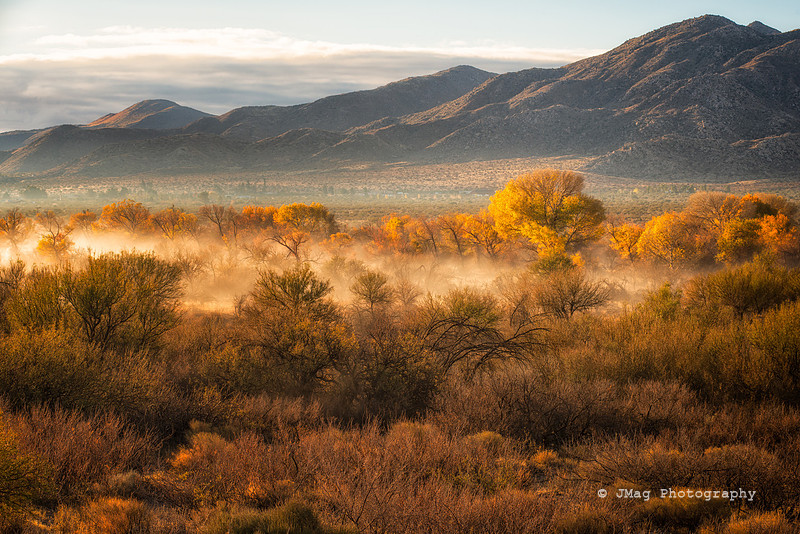
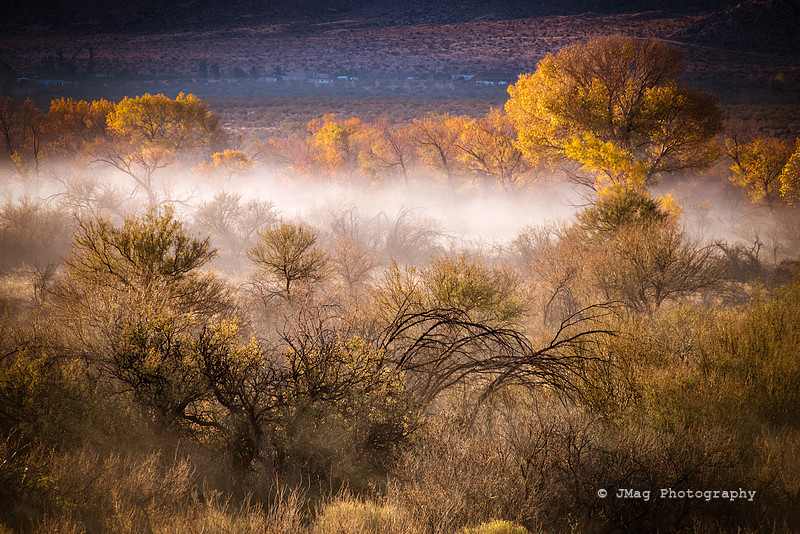
I drove out to Anza Borrego that night at 3 a.m. to make sure I wouldn’t miss the sunrise. Once it came peeking out from behind the horizon, I knew all of my effort was worth it. The sunrise on that fall morning in 2013 was absolutely spectacular. I saw mist hovering inches above the ground, hanging between the trees. The sun rose up and the air was mild and warm, with only the slightest hint of the nights chill remaining. The mountains stood firm in the distance and there was powdery dust clinging to the air. I ventured out into the middle of this field and I was captured by the scene. I love mornings; they mark the beginning of a new day, both literally and metaphorically. I always feel as though each one represents endless possibility and marks the calm before the impending day’s storm of activity.

]]>
 ]]>
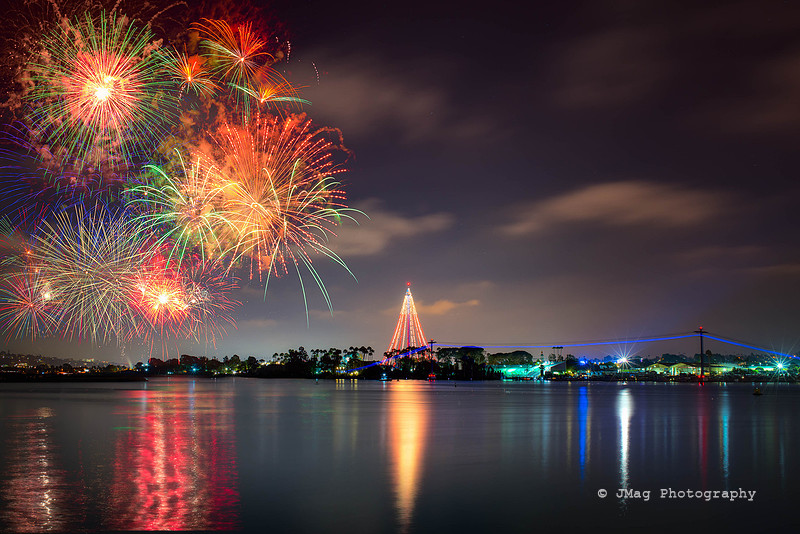 Since today is July 4th, I thought I would share a few of the things I have learned about shooting fireworks.
- Scout your location Think about how you can ground the fireworks and add elements into the frame that reveal your location. This will make your fireworks photographs stand out!
- Tripod The camera needs to be as stable and shake free as possible.
- Cable release To avoid introducing any sort of shake.
- Headlight In case you are in a place where it is very dark a headlight will help you to find your way around and keep your hands free.
- “Magic black cloth” I carry a piece of black cloth with me to cover the lens in between fireworks bursts. This will allow you to get multiple bursts into one frame.
- Lens choice Anything from a wide-angle to a mid-telephoto works. It really depends on the look you try to achieve. It’s easier to start with a wide-angle lens and then try different lenses.
- Manual Mode I will use the first burst to determine my exposure.
- Aperture start at f/8 – f/16 Again, fireworks are bright so using a smaller aperture will allow me to shoot at lower shutter speeds. I determine aperture from my first test shot of the first burst.
- Low ISO Fireworks are bright and you really want to capitalize on the ability to use longer shutter speeds so you can have multiple bursts in one shot. In between bursts, I will use the magic cloth to cover my lens.
- Manual Focus The first burst is also helping me to set my focus. I will manually focus on the burst and then I lock it. Usually the fireworks are photographed from a distance and shooting at f/8 – f/16 will give enough of a range of acceptable focus.
Let me know if you found these tips helpful. I would love to see some of your shots, and I’m looking forward to capturing this year’s fireworks.
Happy shooting and happy Independence day!
]]>
'We run, not because we think it is doing us
 ]]>
 ]]>
 For the last few years, I’ve made it my life’s mission to capture the beauty of the natural world using photography as my medium. I’ve always had an adventurous spirit, and as a young child in Germany, I vividly remember wandering through the grassy fields that surrounded my village, traversing winding streams, climbing through tress, and just being completely enthralled by the outdoors. As I grew older and began to travel more, I developed a deeper appreciation for the many wonders this planet has to offer. I have to admit, though, that no place has piqued my fascination more than the deserts of the Southwestern United States.
 As I trekked across the shifting sands of the Algodones Dunes, bouldered the many bizarre rock formations of the Alabama Hills, and walked among the beautiful Joshua Trees, I became enamored with the unique geography of this region. It was such a completely foreign environment to what I had ever experienced in Germany, that I felt an immediate and overwhelming desire to explore it. As an extension of that, I also wanted to share what I saw . . . I wanted to convey to others the emotional experience I encountered at that moment in time. I believe if people can connect in this way, then maybe they’ll experience the same sense of allure that I did. Maybe, they’ll also be inspired to help us preserve this amazing planet. The photo show on September 6, will display a cross section of the many beautiful places that I have been fortunate enough to experience over the last few years. Most importantly, I'm aiming to bring awareness to the outstanding local preservation efforts of the San Diego Habitat Conservancy. We will be hosting the SDHC team at the show so that they can talk more about what they’re doing locally here in San Diego county. You can also learn more about their education outreach efforts by checking out the SDHC website my blog or my Facebook page.]]>
 On a photo adventure in the Quinault Rain Forest, located within the Olympic National Park, I learned firsthand why they call this area ‘the wettest place in the continental United States.’ After a four hour drive into its heart, I spent hours hiking through winding trails experiencing, for myself, this condition known as ‘wet cold’. I can’t quite do the scene justice when I say it was very, very wet. Marble-sized droplets of rain and flurries of disintegrating snowflakes complemented a steady chill of humidity making it a challenge to keep both myself and my camera gear somewhat dry. The entire visage was mysterious, and I felt as though I were a child back in Germany listening to my parents read a Brothers Grimm fairy tale. It was late autumn, and the fallen golden leaves and green foliage swirled about as the pouring rain created a rhythmic percussive soundtrack to my experience. I vividly remember the cold mist and the smell of wet vegetation as I tried to take in all of its beauty . . . ]]>

"Your body will argue that there is no justifiable reason to continue.
Your only recourse is to call on your spirit,
which fortunately functions independently of logic"
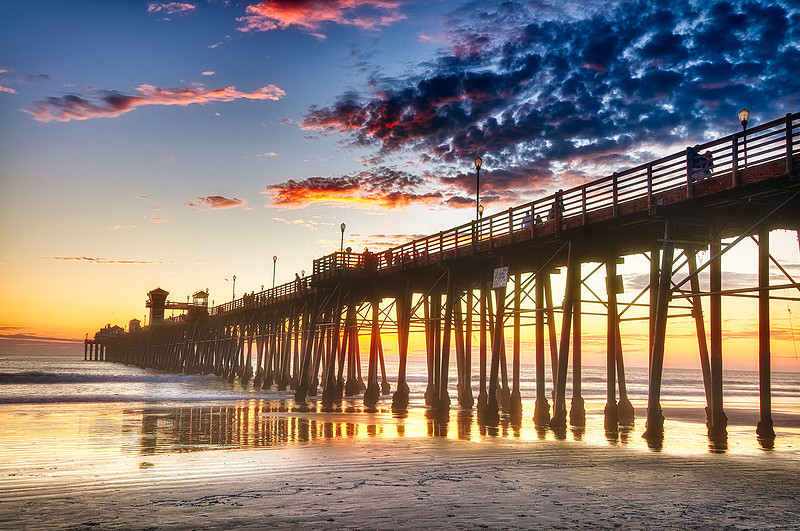
 "Keep looking up! I learn from the past, dream about the future and look up.
There's nothing like a beautiful sunset to end a healthy day."
- Rachel Boston
]]>
 ]]>
- Antoine de Saint- Exupéry, The Little Prince

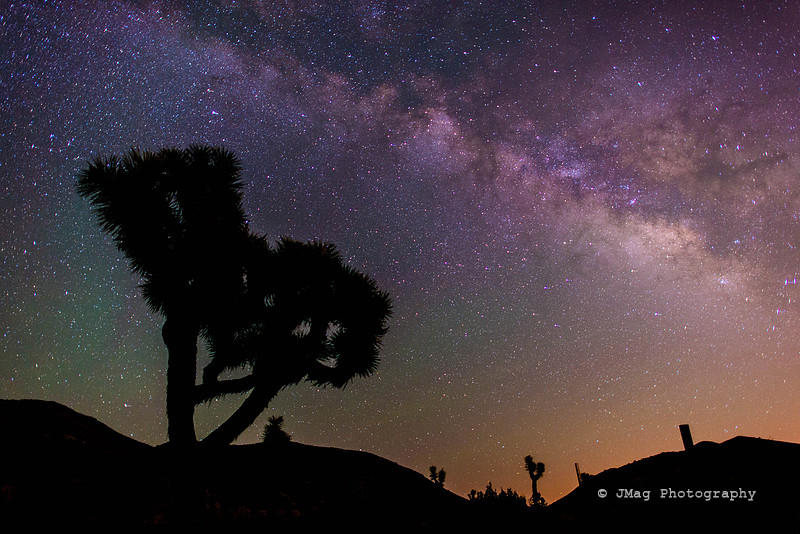
At the end of May, I went to Joshua Tree to photograph the night sky. My goals were to shoot still stars, star trails, and hopefully the Camelopardalids meteor shower that was going on during that time. I am not an expert at this - there are photographers who specialize in this type of photography. For this post, I’ll discuss shooting the Milky Way as my chosen subject in the night sky and share what I have learned so far. I think being proactive in this type of photography is crucial. What I mean by this is that you must know what conditions to expect, arrive early, know how much available night-light there will be, and compose the shot while there is still daylight. It’s not easy to find good compositions in total darkness . . . I speak from personal experience :-) There is no exact science to nighttime photography, but knowing a few variables and rules beforehand will yield better results faster, and, once you have done it a lot, you will have a more intuitive approach to the whole process - as with everything else we do a lot :-)
EQUIPMENT NEEDED
- Camera with capability to shoot in bulb mode, a connector port for an external cable release and RAW shooting capabilities.
- Fully charged batteries, the long exposures taken at night will require more battery power especially if it is cold where you are.
- Wide angle, fast lens at least f/4 but I prefer the fastest lens I can get my hands on for this because it will give me more creative freedom.
- Cable release/Remote timer
- Headlight, flashlight to find our way around in the dark, light painting
- Compass comes in handy to find Polaris.
- My iPhone (I use apps for all sorts of calculations. The Long exposure app a collection of different calculators and cheat sheets very, very helpful, Photographer's Ephemeris.
- A chair, blanket, food, water, coffee, a friend to keep you company… Bring whatever will keep you awake and comfortable at night :-)
- AND lots of patience and a desire to experiment!
GENERAL CONSIDERATIONS FOR SHOOTING THE SKY AT NIGHT
Hopefully, you have found a pleasing composition, and you have set up your camera and locked your focus before total darkness. Generally, for nighttime photography, forget about your light meter because it’s not going to work in total darkness. In order to determine exposure, I take a high ISO test shot. I check my LCD screen and my histogram to evaluate the high ISO test shot and adjust as necessary. I always strive to get the best exposure in camera and, in this instance, I prefer a slightly brighter exposure because I can always darken the image (but recovering shadows in a very underexposed capture will introduce a lot more noise). I can now compensate the exposure and use my “exposure tripod” consisting of Shutter speed, Aperture, and ISO. Every situation calls for a different approach, and it is as much a creative choice as it is a technical choice for how I use these variables. The exact same exposure will produce different looking photographs depending on which variable I change. Experiment!
HIGH ISO TEST SHOT

- Set your camera up on a tripod
- Remote control is in place
- Camera shooting mode set to manual
- Shoot RAW if your camera has that option it will give you more flexibility in post processing.
- Use a wide-angle, fast lens (In this instance I used the Nikon 24mm f/1.4)
- Set aperture to wide open
- Set Shutter Speed to 30s
- ISO 1600 – 3200. I usually start with 3200
- Manually focus on infinity OR if you have a friend with you who can assist in illuminating the point of critical focus in your composition, do that instead and then lock the focus. Once you took the shot check on your LCD if it is sharp by zooming in to 100 %.
- Evaluate the exposure by looking at the LCD screen and your camera's histogram. I like to lower the brightness of my LCD just a little when I shoot at night because our eyes adjust to the darkness and you can be fooled by the LCD screen.
- From here I can find the equivalent exposure and adjust it as necessary.
 SHOOTING THE MILKY WAY
A dark sky without any light pollution is the first requirement in night sky photography. It’s impossible to even see the Milky Way otherwise. The moon also has an effect on its visibility, so it is good to know what phase the moon will be in. The moon travels 28 days around earth. During this time the moon takes on different shapes and its luminosity will change greatly. What is possible to photograph in those varying conditions varies greatly. To shoot the Milky Way, it is best to go out during a new moon. I use the Photographers Ephemeris to find out about the moons exact position. Other atmospheric conditions such as rain, thick cloud covers, humidity, and wind will affect this endeavor and create challenges to be aware of. In some of those conditions, we may have to stay home.Also, the time of year needs to be considered. Here in the northern hemisphere, the Milky Way is best seen during the first half of the year. Depending on where you are located, summer can be very humid and may also create some challenges. You will find the Milky Way in the southern hemisphere of the sky rising from the west. To shoot the Milky Way in the night sky, I set my camera on a very sturdy tripod, in manual mode, shooting in RAW format, auto white balance, remote trigger in place so I do not introduce camera shake, and use a wide-angle lens. I love the Nikon 24mm f/1.4 for this type of photography. I have also heard very good things about the Rokinon 16mm f/2 which is also a very affordable choice; again, the lens choice also depends on the particular creative vision you have, but, generally, a wide lens is a good starting point.
500 RULE
Now, in order to capture still stars, we need to be aware that the earth is rotating. In order to get still stars, we need to apply the 500Rule (some use the 600Rule); for ultimate sharpness, though, stick to the 500 Rule. To get sharp, in focus stars, we need to divide 500 by the focal length of the lens being used. For example, in my case, I had a full frame camera crop factor 1.0x with a fixed 24 mm lens (500x1:24 = 20.83), so I will set my shutter speed at a maximum to 20 sec (if you are working with a crop sensor camera you need to consider that particular factor as well 1.5x, 1.6x etc.). There are many great apps to calculate this with. The one I use has an assortment of camera and lens combinations and will quickly calculate your maximum possible shutter speed for your particular lens/camera combo Long Exposure Calculators by Ilya Genkin photography.
So, this now makes us realize the challenges we face when shooting still stars, and it is up to us how we are using Aperture or ISO to find a satisfying exposure. Higher ISO will introduce more noise, but too low of an ISO will make the stars appear a little too faint. Different cameras will have different capabilities in shooting in low light and how much noise will be introduced at higher ISO’s. It’s up to the photographer to make that call. In my next post, next Tuesday, I will write about how I captured star trails.


"I always loved running…it was something you could do by yourself, and under your own power. You could go in any direction, fast or slow as you wanted, fighting the wind if you felt like it, seeking out new sights just on the strength of your feet and the courage of your lungs."
-Jesse Owens
]]>
 I have been visiting the managed preserves that the team over at the San Diego Habitat Conservancy oversees, and each one has its own unique charm.The personality each exudes is amazing. Recently, I spent some time following Jim (the team's habitat manager) while he was recording the restoration progress at the Vallecitos Ridge Biological Open Space Preserve.
 Vallecitos is filled with chaparral and coastal sage scrub and lies nestled within the Vallecitos Ridge residential development project up in the city of San Marcos. The preserve includes 34 acres just north of SR-78, west of Interstate 15, and northeast of Palomar College and has been under the supervision of SDHC since 2009. Jim tells me that there are several species of interest at the preserve, to include the turkey vulture, the coastal California gnatcatcher, and the rufous-crowned sparrow. Check out the latest SDHC newsletter HABITAT HAPPENINGS !

]]>

Its funny hat Wednesday! When I venture out into the chilly outdoors, I need a hat that screams cool – and keep my ears warm. This was at La Push, Olympic National Park. Show me the best hat pic you got on my JMag photography Facebook page!
]]>

Yesterday, I went to the San Diego Zoo, and, unexpectedly, I stumbled upon a giraffe giving birth. Of course, there was a massive crowd of people watching this event and even the fellow giraffes on the other side of the fence were watching. I tried to capture some photographs of the process, but I was facing many challenges. I’m not the tallest person, so I had to battle with the people in front of me, and I was left with a tiny spot where I had to shoot through a bush and a sign obstructing my view. It was quite challenging and made more difficult by the harsh midday light. BUT, I pushed on anyway.
A baby giraffe is really a giant! It weighed about 150 lbs and stood six feet tall when it was born. When it dropped out of its mother’s womb, it fell almost 5 feet. What a harsh awakening to life! This was then followed by the calf’s repeated attempts to stand up as quickly as possible in response to its natural instinct to be able to run and survive possible predator attacks in the wild. As I watched this evolution, I really felt for the little one - its long legs were all tangled up and its mother tried to help out by guiding it to a wall and use her legs to give a push. The little one had many unsuccessful attempts, but it didn't give up. Eventually, it was able to stand up. This photo is the very first time the giraffe was able to stand upright, and its mom had just trotted away. What an inspiration!
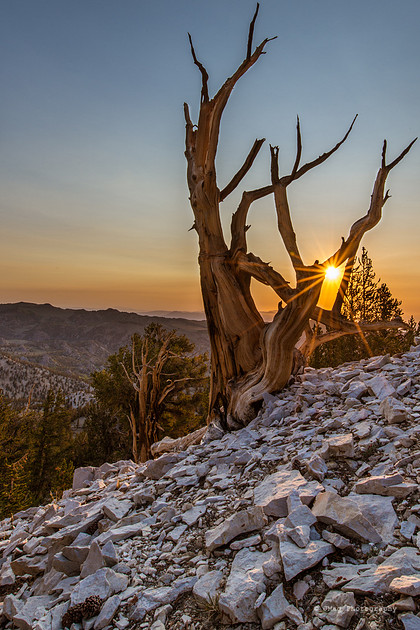
 I was fortunate to participate in a photo excursion to the White Mountains in California. The White Mountains are home to the ancient Bristlecone Pine Trees, which are believed to be the oldest living organisms in existence today. Up until the discovery of Prometheus (5,065 years old) the oldest of the pine trees was Methuselah, sitting at an impressive 4,845 years young. Its location remains publicly undisclosed in order to protect it from vandalism, but like its namesake (the biblical figure Methuselah who was reported to have lived for 969 years), it is a reminder of how very temporary we are as humans. I have a tremendous respect for trees, and as I stood there in the presence of these ancient beings, who’ve wisely found shelter nestled away at 12,000 feet from the hustle and bustle of mankind, I realized that I have an obligation to share this story with others. Each tree stands tall and still, some rather lush, others a bit weathered, but all quite shiny and exuberant. Though you can’t quite get a sense of it from the photo, the shine of the bark belies a very rough texture. Each tree had its own unique pattern and shape, not unlike a fingerprint.
]]>

"Running is a road to self-awareness and reliance-you can push yourself to extremes and learn the harsh reality of your physical and mental limitations or coast quietly down a solitary path watching the earth spin beneath your feet."
- Doris BrownHeritage
]]>
I went out with Sarah a little over two weeks ago to visit a 62 acre preserve in Otay Mesa, which is ju
 st a stone’s throw away from where I live. It rests about a mile north of Otay Mesa Road, close to the intersection of Lonestar and Harvest Road.The team over at San Diego Habitat Conservancy (SDHC) has been managing this site since January 2013 and working to reduce the cover of non-native grasses so that the native plant seed in the soil have a better chance to grow and become established. By doing this, they aim to help provide the indigenous burrowing owls with a better habitat in which to forage and nest successfully.This image from the SDHC website gives an overall sense of the preserve’s size. I returned yesterday to capture more of this amazing area (and to see if I could spot those cute little burrowing owls). I didn’t have any luck with the owls, but as you can see below, the views at Lonestar are amazing.
 The trails through the hills provide for somelonestarscenic landscape in southern San Diego county. If you’d like to help protect this amazing area, then you are only a mouse click away! If you shop at AmazonSmile this Father's Day, then 0.5% of all eligible purchases and an extra $5 will be donated to the team at San Diego Habitat Conservancy to support their preservation efforts. AmazonSmile is the same Amazon you know, with the same products, only with the added benefit of supporting local charity and non-profit organizations. Check it out (http://smile.amazon.com/ch/33-0906648). Also, if you’d like to bring your classroom into the great outdoors so help this generation of children reconnect with the natural world, just contact Sarah @ [email protected] and visit their website at www.sdhabitat.org!

]]>
 ]]>
So I went out with Don a little over a week ago to visit an incredible 112 acre preserve in the Rancho Santa Fe community, which runs along Escondido Creek. It forms a contiguous corridor of open space that serves as a core habitat for a lot of wildlife, to include the coastal California gnatcatcher.

Our friends over at San Diego Habitat Conservancy (SDHC) have been managing this site since September 2012 and are working to remove several invasive species such as the Giant Reed (Arundo donax) so that the sensitive indigenous plant species such as San Diego goldenstar, San Diego marsh-elder, and San Diego sagewort may once again begin to thrive.This image from the SDHC website gives an overall sense of the preserve’s size. I’ll be making a return visit again soon to share more pictures from Bridges . . . ESPECIALLY if I can capture a picture of those adorable little southern rufous-crowned sparrows!
 Speaking of adorable, I also wanted to share some more imagery from Jim’s presentation at Innovations Academy Charter School. The first grade students were absolutely amazed at the tools Jim brought with him and even more enthusiastic about his adventures observing the local wildlife on the preserves! If you’d like to bring your classroom into the great outdoors, just contact Sarah @ [email protected] and visit their website at www.sdhabitat.org!


]]>

"Unveiling a Sky full of Possibilities"
]]> “Endless Summer”
This was the last day of summer 2013. It was a warm and mild evening as I sat on a knit blanket at the Sunset Cliffs Beach with two of my most favorite things in the world: my camera and my husband. As I looked around, I was completely taken in by this moment: the colors, the clouds, the sailboat in the distance. A group of people were dancing around a small bonfire making music with their guitars - their movements and their notes almost rhythmically aligned with the sound of the crashing waves. I could smell the faintest scent of ash as the wind carried the burning fire our way, and it mixed well with the salt from the ocean and sand. The wind was so warm and gentle that night and its sound so perfect that I just sat there mesmerized by it all. Seconds later, I turned my gaze slightly to the right to witness these two playing in the white water. At this singular moment, I felt that all of these elements somehow began to merge, becoming one. I wanted to visually convey this feeling so I used a very long exposure to allow the elements to literally merge into one another. When I look at this moment, I can still remember the taste of the ocean salt.
]]>
 When was the last time you did some proper dancing? I did an awesome break down to ‘Walk like an Egyptian’ while we were at the pinnacles in Trona….Well, I didn't really do that, but this would have been the place to do it :-) Share your wildest “nature boogies” with the rest of us so I’m not the only one here with a crazy pic!]]>

 How you ask? Besides physically acquiring and managing the preserves, the SDHC team is doing it the old fashioned way: by visiting local schools and showing our students firsthand how important these resources are. In March, Sarah (she was holding the awesome boa last week) and Jim Rocks (the Habitat Manager) spoke with 1st grade students at Innovations Academy Charter School in Scripps Ranch. They were in the middle of learning about indigenous plants and animals when Jim and Sarah literally brought their studies to life!!! Jim brought in the tools he uses as a field biologist and actual images of the animals he is encountering at the preserves. The kids were absolutely amazed and couldn’t stop asking questions - even the students at Audubon K-8 School in the Lomita Village area still raving from Sarah and Jim’s last visit.
 SDHC’s educational outreach is expanding to bring area school students out to their preserves to foster an interactive experience and encourage our children to get outdoors more often. Their goal, like mine, is to help people reconnect with the beautiful, natural world that surrounds us all! If you’d like to bring your classroom into the great outdoors, just contact Sarah @ [email protected] and visit their website at www.sdhabitat.org!
]]>
Yet, through the silence something throbs, and gleams...”
― Antoine de Saint-Exupéry, The Little Prince
 I sent this message to my husband the first time I visited this amazing place. It came from the heart, unfettered, and without revision. I thought I’d share it with you:
“My ears love the quietness - but even though the desert seems silent, it has a voice. At times the wind will tell me its stories; the sand will accompany it, sometimes gentle, sometimes wild, and sometimes with the faint sound of a cricket chirping.
My eyes admire the vastness of the sand dunes. They make for powerful compositions in a very simple way, but, if you look closer, you realize there’s an infinite deluge of patterns and shapes so complex that it seems not to be true.
The sun circles around, the light changes, and so too does the desert. The sky’s colors change from purple, pink, yellow, and orange to blue, red, tangerine, and violet…
Even though the place feels still, it is in a state of constant change and motion.I can feel the desert - the gentle breeze soothes my face, the sand tickles my skin, and the sun scorches me. I can smell the desert. At first, it seems odorless, but then I begin to smell the dust and the sand that is in the air. I am all at once intrigued by the desert’s simplicity and calmness, but a little unsettled as well. This is a place where truth can be found.”
- Jennifer
]]>
 “Solace”
While visiting the Alabama Hills as part of a group photography excursion, we decided not only to visit the Manzanar Memorial, but to explore the surrounding landscape photographically. We’d been experiencing stormy weather for a day, with the clouds forming a low hanging ceiling. Rain was intermittent, there was a slight chill in the air, and the feeling was all at once ominous. It was the perfect mix of elements for me, as a photographer, to be a part of. The colors in the vegetation became more vibrant around me as the sky constantly morphed into strange and visually stimulating formations right in front of my eyes. The scene transformed from familiar to otherworldly within a matter of minutes. On our way back to the Alabama Hills I came across this particular moment as my inner explorer prompted me to leave the gravel road where we had stopped the car. I wandered through patches of brush and across a little creek into this open area. It seemed to extend into forever, merging, I must assume, with the mountains, whose tops were only barely visible through the clouds. This moment was eerily tranquil and calm, and I felt the same strange stillness one would experience in the eye of a storm. It felt . . . comforting . . . despite the dramatic weather that would sneak up on us later. I left this moment with a sense of solitude and smallness which I continue to feel every time I look at this image. Solace in Solitude.
-Jennifer
]]>
Its fun run Friday ! I'm going to share a photo from my running diaries on Instagram.
I go out running most mornings and I usually stop to take a photo of something I see.
]]>
 If you haven’t been outside to get a breath of fresh air and take a look at this beautiful place, then you need to get up and go now - and don’t forget to share your image with the rest of us on the JMag Photography Facebook page!
https://www.facebook.com/JMagPhotography
Have a great day everybody!
- Jennifer
]]>
With this in mind, I’ve made a concerted effort to find a non-profit organization that is working LOCALLY to protect the incredible habitats around our great county. Thanks to some great recommendations, I found the San Diego Habitat Conservancy (SDHC). Based out of Liberty Station, their team has been working since 2000 to acquire, manage, and protect the sensitive habitats necessary for native species to survive and thrive. After an initial meeting with their Executive Director, Don Scoles, and their Assistant Program Coordinator, Sarah Krejca, I am convinced that this team is committed to making a difference!
Every week, I’m going to help highlight what Don, Sarah, and the SDHC Team are doing with their education and outreach programs to help protect the local environment and bring awareness to their cause. I’m also going to visit their preserves so that you can see with your own eyes the beauty and marvel of the ecosystems that lie just outside the city limits.

I hope you’ll join me by visiting their website at: www.sdhabitat.org and liking their FACEBOOK page at San Diego Habitat Conservancy. A small click of the button can help make a HUGE difference!
]]>
With a passion for exploring and a deep respect for the natural world, it was inevitable that, at some point in my life, I’d start traveling and collecting impressions. I am fueled by nature’s beauty, and I have an incessant hunger to capture it and transform that beauty into a medium for others to share. I believe strongly in conservation and, ultimately, want others to have the opportunity to experience the same emotions I felt as I stood there . . . surrounded by complete vastness. It’s hard to verbally translate the feelings that stir within me when I’m out in the field, so I hope that these frozen moments of time awaken the same sense of awe and wonder in those that look upon them. I hope, too, that people are equally moved to protect our natural world and its amazing treasures.
- Jennifer
]]>


 ]]>
 ]]>
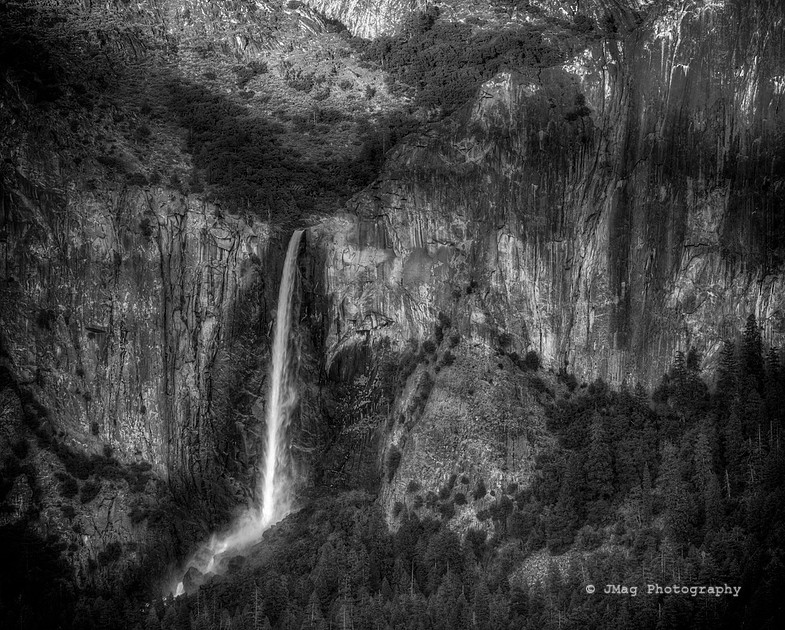 I remember how I drove through the dark tunnel that day doing the "tunnel scream" with my photo friends...windows down, wind blowing into our faces, full of anticipation for what lied ahead. Then there it was - the famous tunnel view, with it a parking lot full of spectators and photographers. The place felt mystical, and I could smell the soft mist that was hovering above the trees with the sound of distant running water from Bridal Veil Fall. It made me forget about the many other people, cars, and tripods for a moment…just a moment. I felt "present" in my pursuit of this image. The place felt magical and will always be one I treasure.]]>
 ]]>
 ]]>
 ]]>
 ]]>
 ]]>
 ]]>
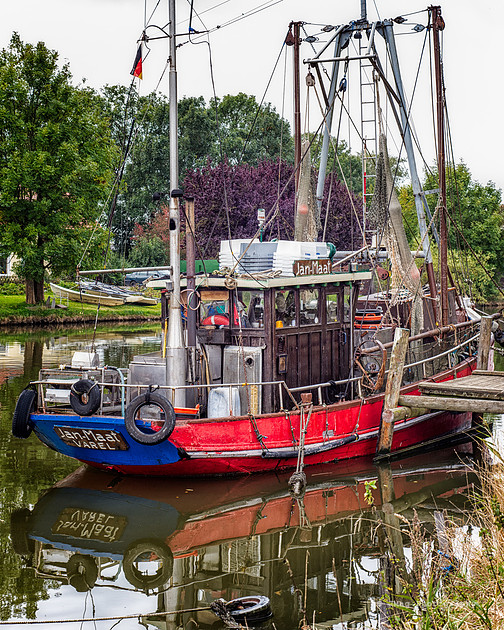
Varel is a small town located at the shallow Jade bay. Centuries ago a large bay was formed by storm waters that flooded the
area. In order to protect the surrounding land dykes were built. Nowadays the shores are protected
as part of the Wadden Sea National Park.
]]>
Randsburg, California - The living ghost town.
]]> View from the top of Cathedral Rock Trail]]>
 ]]>
 ]]>
A few photographs from my recent trip to Salvation Mountain. I have visited the Salton Sea area a few times, and it has become somewhat of a tradition for me to visit the last weekend in January. A lot has changed since my first visit in 2011 but much has also remained the same.


I started urban explorations last year with a friend and its been very fun to explore San Diego with our cameras.
]]> ]]>
 ]]>

]]>

Leaving Sedona
]]>
Rainy/ Misty Morning in Sedona
]]>
Rainy day in Sedona
]]>
Sunrise at Mather Point, Grand Canyon
]]>
Devil's Bridge
]]>
Devil's Kitchen Sinkhole
]]>
First hike on Cathedral Rock trail
]]>
Arriving in Sedona after traveling all day
]]> ]]>
 ]]>
 ]]>
 ]]>

]]>
 ]]>
 ]]>
 ]]>
 ]]>
 ]]>
 ]]>
 ]]>
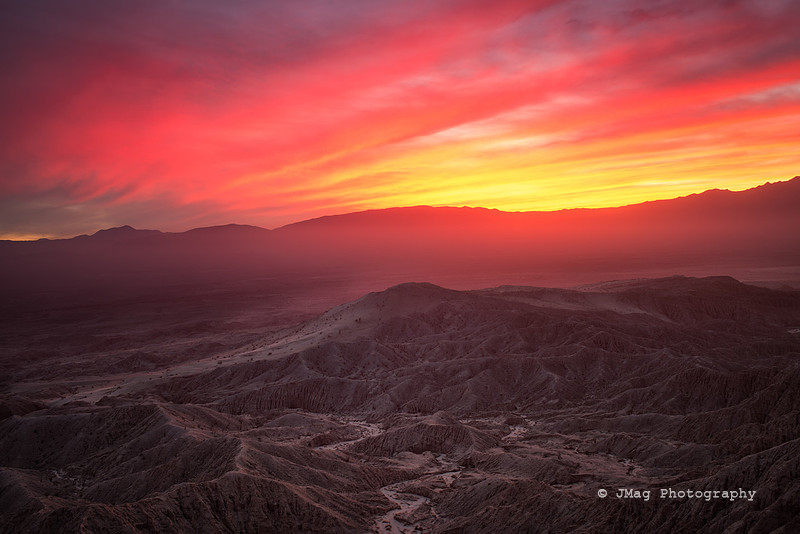 Sunset at Font's Point in Anza Borrego
On my first 4x4 experience in the Anza Borrego desert, I was very fortunate to witness an amazing sunset.The light show had already started when I arrived at Font's Point, so I had to quickly set up and start shooting. The air was very dusty, but nevertheless, I was awestruck by the explosion of colors in the sky.
]]> ]]>
 ]]>
 ]]>
 Happy Thanksgiving !]]>
 ]]>
 ]]>
 ]]>
 ]]>
 ]]>
 ]]>
 ]]>
 Standing Strong]]>
 ]]>
 ]]>
 ]]>
 ]]>
 ]]>
 ]]>
 ]]>
 ]]>
 ]]>
 ]]>
 ]]>
 ]]>
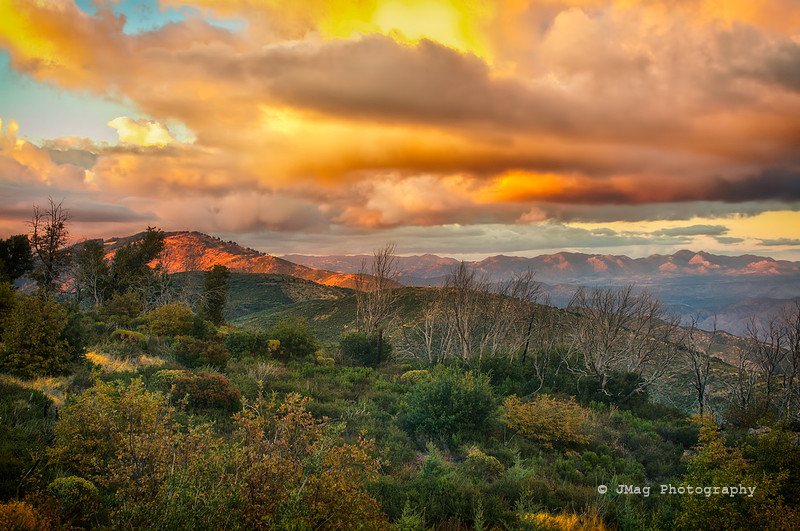
Sunset in the Mountains, November 2011
]]> ]]>
 ]]>
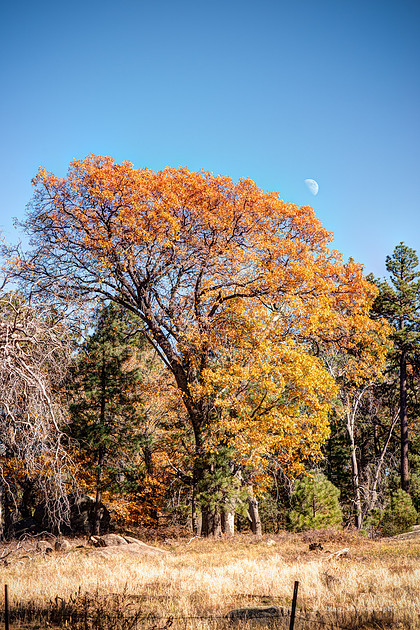 ]]>
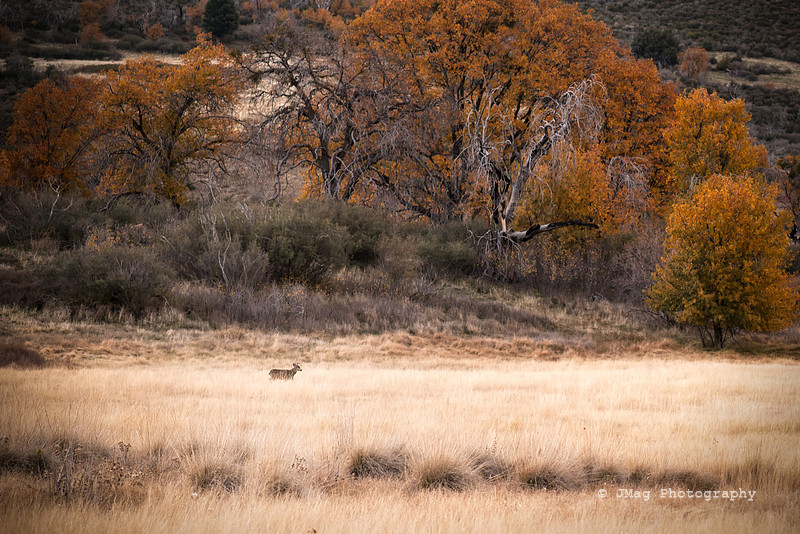
Deer at Cuyamaca Rancho State Park
]]>
 ]]>
 ]]>
 ]]>
 ]]>

Don't be scared :-)
]]> ]]>

 ]]>
 ]]>
 ]]>
 ]]>

]]>
 ]]>
 ]]>
 ]]>
 ]]>
 ]]>
 ]]>
 ]]>
 ]]>
 ]]>
 ]]>
 ]]>
 ]]>
 ]]>
 ]]>
 ]]>
 ]]>
 ]]>
 ]]>
 ]]>
 ]]>
 ]]>
 ]]>
 ]]>
 Norderney]]>
 Vareler Hafen ]]>
 ]]>
 ]]>
 ]]>
 ]]>
 ]]>
 ]]>
 ]]>
 ]]>
 ]]>
 ]]>
 At the fountain ]]>
 ]]>
 I fell in love with the love bird on my photo walk :-) ]]>
 ]]>
 ]]>
 ]]>

]]>
 ]]>
 ]]>
 ]]>
 ]]>
 ]]>
 ]]>
 ]]>

Snap of the day: Chasing Butterflies
]]>
 ]]>
 ]]>
 ]]>
 ]]>
 ]]>
 ]]>
 ]]>
 ]]>
 ]]>
 ]]>
 ]]>
 ]]>
 ]]>
 ]]>

Hipstamatic photo from my bike ride around lower Otay Lakes today
]]>
Hipstamatic in the park today
]]>
 ]]>

Balboa Park
]]> ]]>

Orange Splash
]]>
 ]]>
 ]]>
 ]]>
 ]]>
 ]]>
 ]]>
 ]]>
 ]]>
 ]]>
 ]]>
 ]]>
 ]]>
 ]]>
 ]]>
 ]]>
 ]]>
 ]]>
 ]]>
 ]]>
 ]]>
 ]]>

]]>
 ]]>
 ]]>
 ]]>
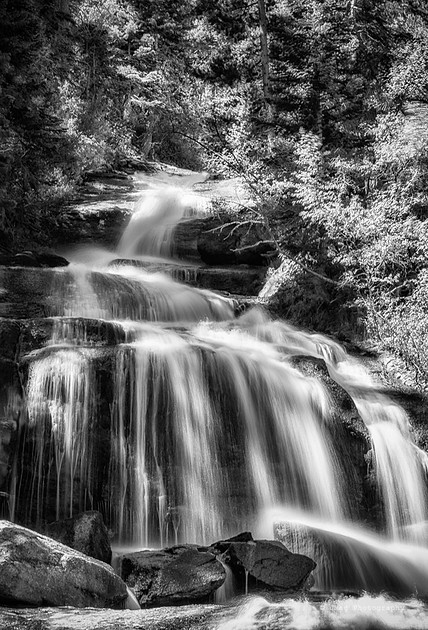 ]]>

"Max the cat"
]]> ]]>
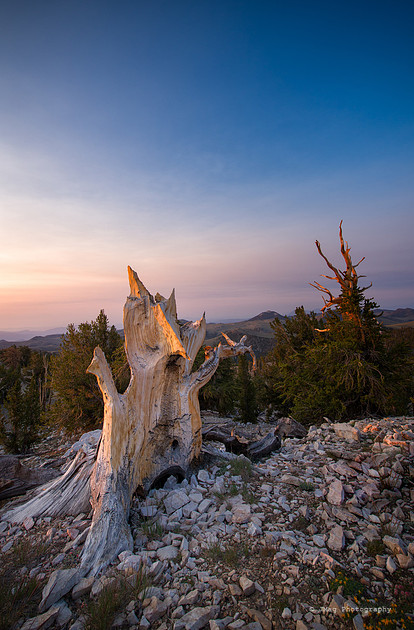
"The Ghostly Owl Tree Stump"
Sunrise at Patriarch Grove in the White Mountains
]]>
 ]]>
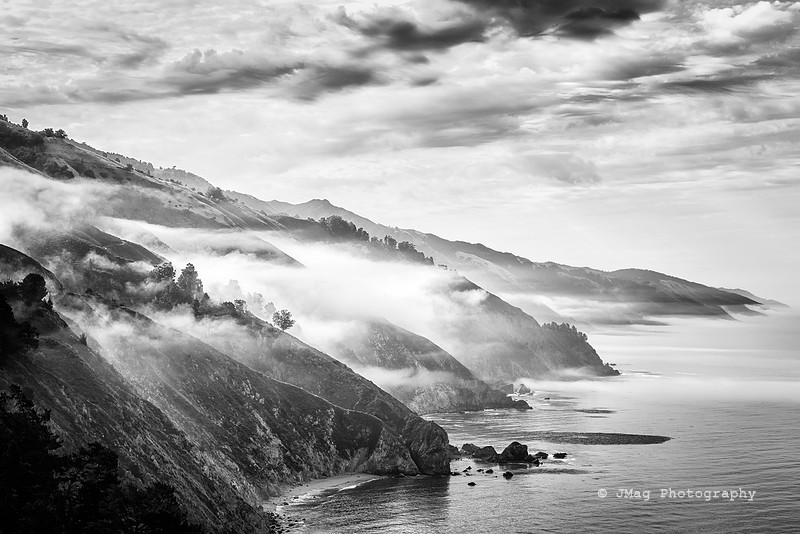
One of the Impressions from my 3 day travel along the Pacific Coast from Monterey to Morro Bay.
I encountered a lot of thick fog and mist, but on this one morning, the sun was able to break
through the fog intermittently and a very dramatic scene unraveled before my eyes.
]]> ]]>
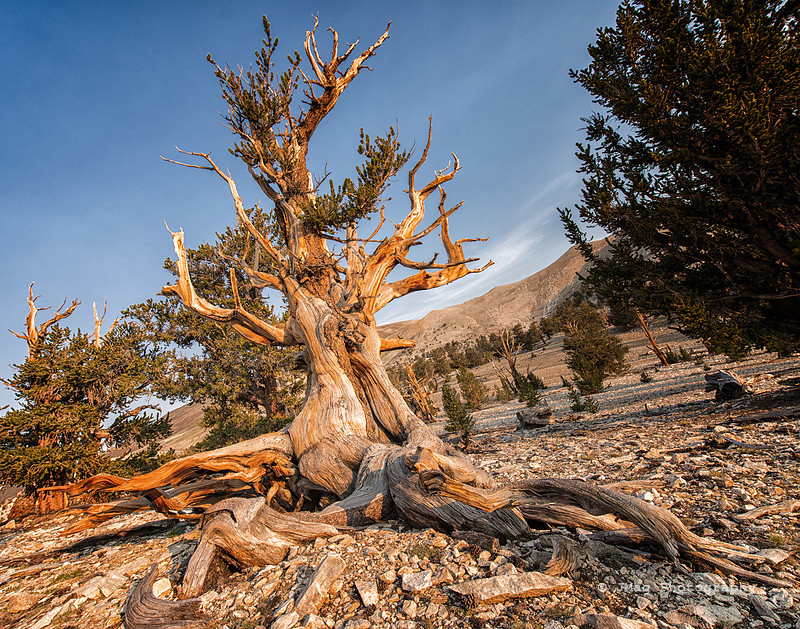
Impression from my recent trip to a magical place in the White Mountains which is home to the ancient Bristlecone trees.
]]> ]]>
 ]]>
 ]]>

At Julia Pfeiffer Burns SP on a foggy day
]]>
Foggy day in Point Lobos
]]>
Mission in Carmel
]]>
Zombie Walk
]]> ]]>

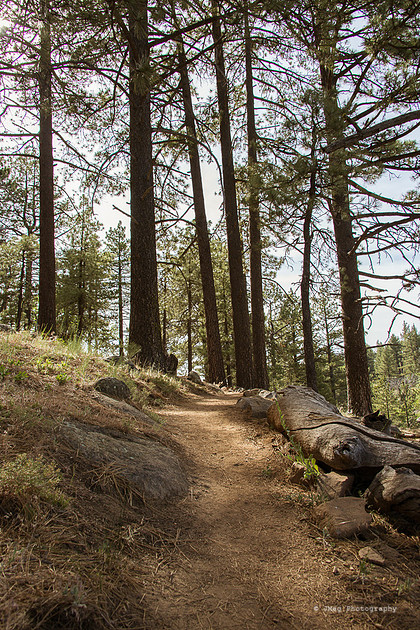 ]]>
 ]]>
 ]]>
 ]]>
 ]]>
 ]]>
 ]]>
 ]]>
 ]]>
 ]]>
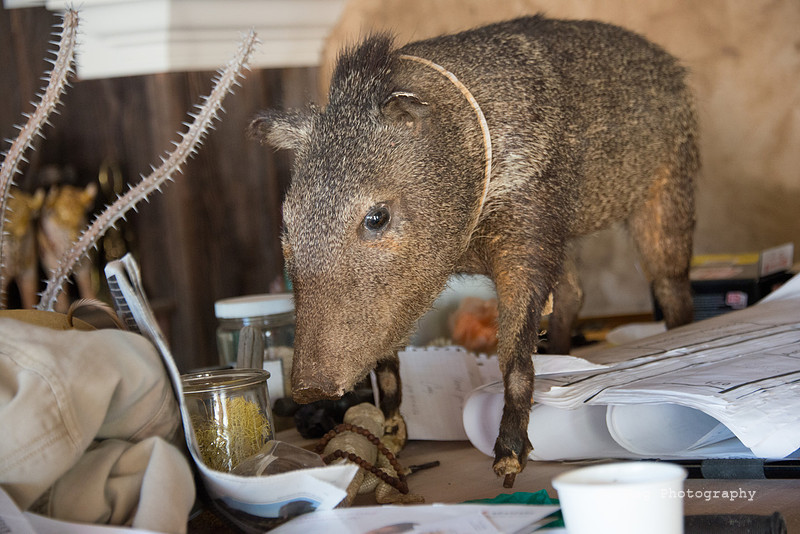 ]]>
 ]]>
 ]]>
 Costume Run San Diego

Beachside Curiosities
]]> ]]>
 ]]>
 ]]>

Beautiful Stranger
]]> ]]>

Abstract
]]>
Morning Light at Patriarch Grove
]]>
Patriarch Grove, White Mountains
]]>
Starry Night
Patriarch Grove, White Mountains
]]>
Sunset in the Alabama Hills
]]>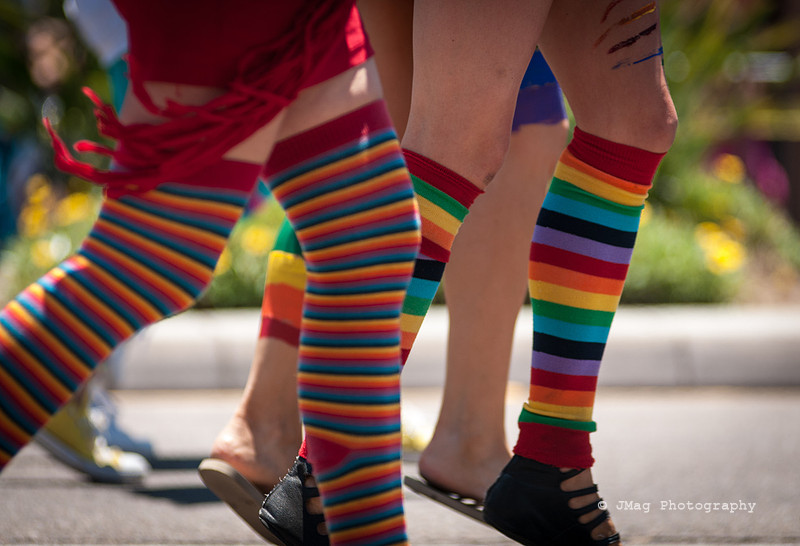
"In Sync"
]]>
 ]]>
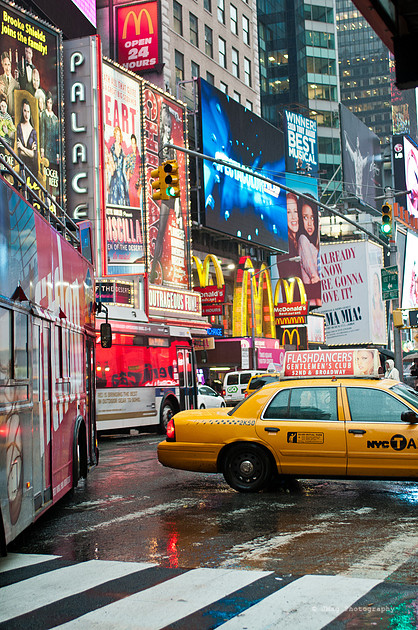 ]]>
 ]]>
 ]]>
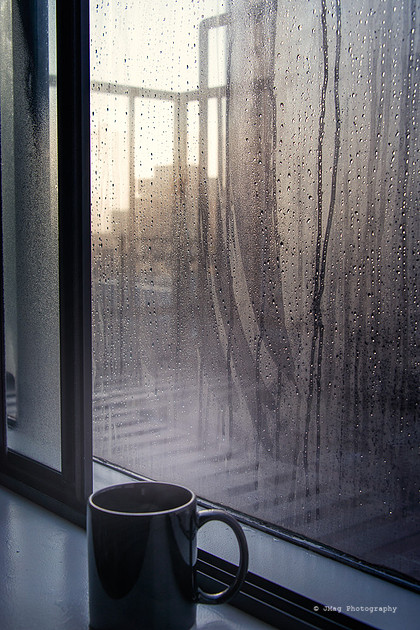 ]]>
 ]]>
 ]]>
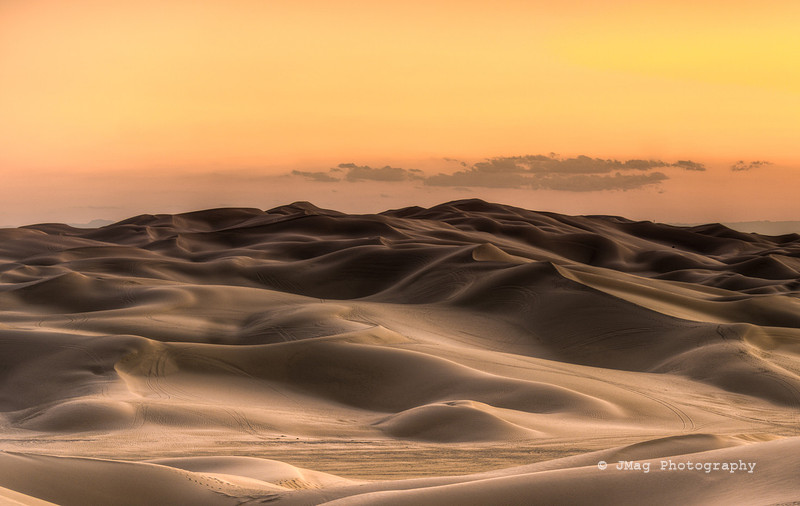 ]]>
 ]]>

Little Zombie - Comic Con 2011
]]> ]]>
 ]]>
 ]]>
 ]]>
 ]]>
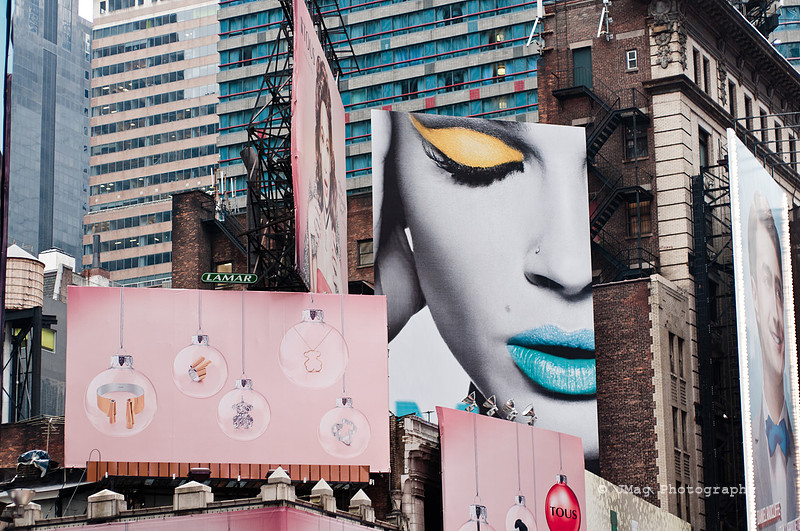
]]>
 ]]>
 ]]>
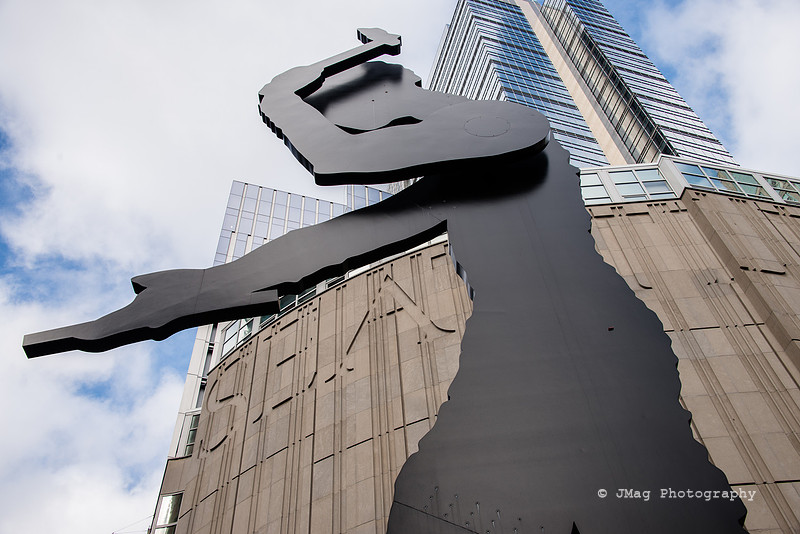
SAM
The Hammering Man was installed at the entrance of the downtown Seattle art museum by the Seattle Art commission in 1992 as part of the City of Seattle's public art program
]]>

Growing Grass
]]>
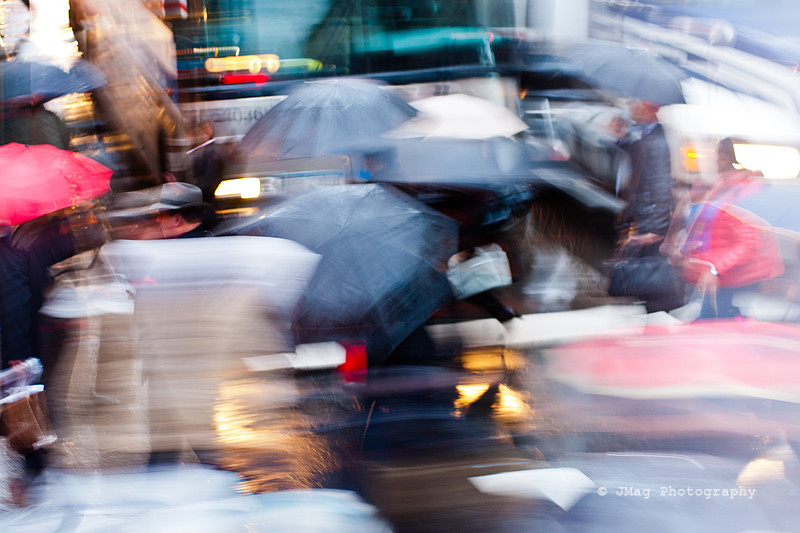
NYC Rain
]]> ]]>
 ]]>
 ]]>
 ]]>
 ]]>

"Drained Out"
]]>
Breaking the Mold !
]]>
Today is my birthday, and as I stepped onto my balcony this morning I noticed that the Amaryllis
(a dear friend left me a few years ago) which was still a bud yesterday is in full bloom today!
What a great birthday gift! Feeling very grateful and blessed :-)
]]> ]]>
 ]]>

The only photo I took on the day I ran the marathon
]]>
 ]]>
 ]]>
 ]]>

Fishin' Around :-)
]]>

Walking along the San Diego waterfront on a cloudy late afternoon
]]>
First time cooking "palak paneer" myself and it turned out good !
I have to thank my friend Nathalie for the spice collection
which really came in handy today :-)
]]> ]]>

Photos from 2 short weekend/overnight photo outings in Joshua Tree. On the first weekend trip I was leaving on a Saturday at midmorning making the drive from San Diego in 3 1/2 hours, arriving just in time for a late afternoon and sunset shoot. As my friend and I are setting up our tent, a layer of clouds rolled in, defusing the still strong sunlight and making for perfect conditions to get some nice photographs of the trees and plants before sunset. I intended to shoot the night sky because Joshua Tree has still very dark areas with little light pollution. Unfortunately, a very strong wind started to develop and there was absolutely no way to do very long exposures. This meant I would have to come back another time to shoot the night sky. The sunset was spectacular with vivid bright colors. The next day developed into a grey overcast day, but with many clouds in the sky which brought an interesting element to the shoot. The second trip was 3 weeks later and it was a very sunny weekend with clear skies and a full moon. Totally different conditions to photograph in.
Photographs from my Excursion to Joshua Tree National Park
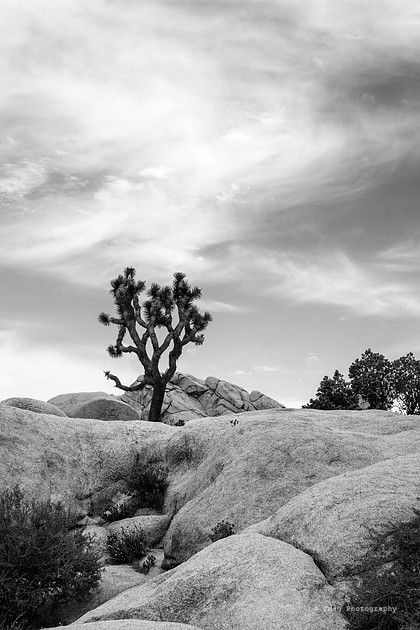

I strolled around the city with a friend and my camera
in search of the new in the familiar.
]]>

What a beautiful, quiet and serene morning in Joshua Tree National Park!
I got up early and sat on a rock and watched the sun rise and the moon slowly set .
Life is beautiful :-)
]]>
 ]]>

Full Moon in Joshua Tree
This is a late post because I spent my whole weekend in Joshua Tree with no Internet connection.
It was very refreshing to get away from it all and just relax and enjoy natures beauty.
]]> ]]>

Chopping the veggies (not the cat)
]]> ]]>
 ]]>
 ]]>
 ]]>
 ]]>
 ]]>
 ]]>
 ]]>

Fighter
]]>
Dancing at the Zydeco Blues and Crawfish Festival
]]> ]]>

]]>
 ]]>

"Spruce Street Suspension Bridge"
]]> ]]>

Another way of looking at things
]]>

Watching the sunrise in Joshua Tree
]]>
 ]]>


Screenshot
]]> ]]>
 ]]>
 ]]>

After Dark
]]>
"A Zen Moment"
]]>
Ocean Beach Pier
]]>
 ]]>

A Wall
]]>
Starry Night
]]>
San Diego Earth Fair
]]> ]]>

"Something Magical"
]]> ]]>
 ]]>

"Casa del Prado"
]]>
Breaking Clouds
]]>

The Bench in the park
]]>

Rays of light peaking through the clouds on my drizzly bike ride today.
]]>

Experimental photo day
]]>

First bike ride around Mission Bay in 2013 on my awesome bike ROCKED! This is only the beginning of many more.
What a great way to discover more photo ops :-)
]]> ]]>
 ]]>

"Pink Trumpet Tree"
Today I encountered this tree and decided if I have a backyard sometime in the future,
I will plant lots of them there !
]]>

Layers of Rock
]]>

San Diego Skyline Panorama
I shot this panorama as the sun set into the blue hour, and you can witness the progression as you scan from the left to the right
]]>

The other 95 Photos from 2013


]]>

Colorful
]]>
Kramer Junction
]]>
 ]]>

"Sun Bathing Lizard"
]]>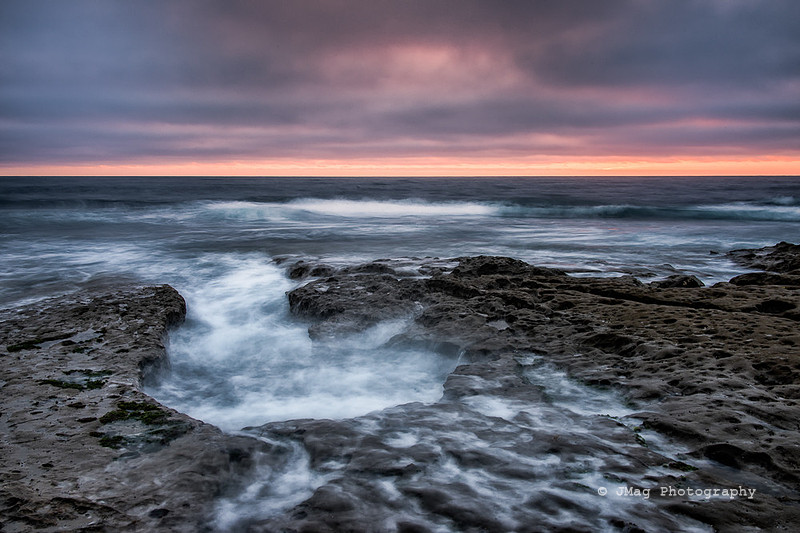
]]>
 ]]>
 ]]>

]]>
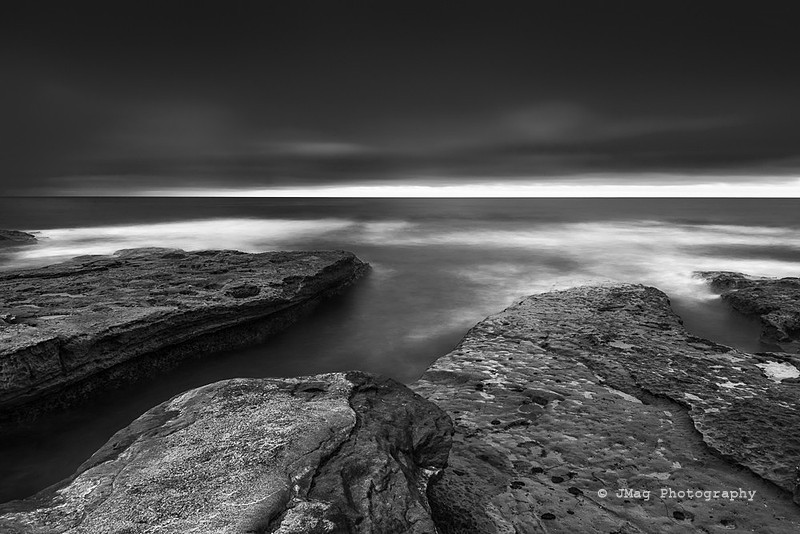
]]>

Coral Tree
I saw this beautiful tree this morning, and love its bright red flowers.
]]>

"Sunset at Hospital Reef"
]]>

]]>
 ]]>

"Tide Pools at Point Loma"
What a great place to photograph, a hidden gem of San Diego.
]]>

"Man with hat walking on the beach"
]]> ]]>

]]>

Waiting at Point Loma for the ship to pass by and enjoying the
beautiful view of the misty seas
]]>
Early Morning in Mission Bay
]]>


"Eastlake Rocks"
]]>
Snapshot of the Trona Pinnacles from today's fantastic adventure.
These tufa spirals are amazing unusual looking. About 500 of them are sitting in
the California desert and have been the backdrop of many movie productions.
]]>
Great day photographing in the Alabama Hills
]]>
Is this a sign?
:-)
]]>
]]>

Sunset
Slowly the west reaches for clothes of new colors
which it passes to a row of ancient trees.
You look, and soon these two worlds both leave you
one part climbs toward heaven, one sinks to earth.
leaving you, not really belonging to either,
not so hopelessly dark as that house that is silent,
not so unswervingly given to the eternal as that thing
that turns to a star each night and climbs-
leaving you (it is impossible to untangle the threads)
your own life, timid and standing high and growing,
so that, sometimes blocked in, sometimes reaching out,
one moment your life is a stone in you, and the next, a star.
]]>

Awesome and inspiring day on many levels.
Thank you!
]]>
Quick stop at Cesar Chavez Pier on my way home
]]> "Walk tall as the trees,
live strong as the mountains,
be gentle as the spring winds,
keep the warmth of the summer sun
in your heart, and the great spirit
will always be with you"
- American Indian Proverb
]]>
Beach Alien
]]>
Rainy night in San Diego
]]>
]]>


Gorgeous afternoon in Balboa Park
]]>
No fun for me today.... My Mac crashed and it is very, very sad :-(
but I will not be defeated by technology 365 is still alive :-)
]]>

"Up into the sky"
However vague they are, dreams have a way of concealing themselves and leave us no peace until they are translated into reality, like seeds germinating underground, sure to sprout in their search for the sunlight.
- Lin Yutang
]]>

Spring is around the corner
]]> On my morning run I noticed that the wild flowers are back. They are growing on a patch of green between streets, surrounded by concrete and trash. Each year they come back and bloom in all their wild beauty. ]]>
 ]]>

]]>
 ]]>
 ]]>

Alleyways
There are all sorts of alleys in our life, and they all tell a story. Dark, wide, bright, light, smelly, hidden . . .
I find them all fascinating in their very own way. Bremerton is one of those places that has
quite a few, and they are all very interesting looking. Here is one of the many!
]]>
The ferry ride from Bremerton to Seattle is an hour long and takes you across the Puget Sound.
Many times when I traveled across, I have seen beautiful sunsets.
]]>
"Partners in crime"
So here I am walking out of the store and I spot these two fellas casing my car . . .
]]>
Back in Seattle for the weekend and chasing the neon lights of the Emerald City
]]>

It is a rare occasion in this town to see so many puffy clouds up in the sky.
]]>


Sunset Contemplation
I went down to the beach in the Cliffs and watched the sun go down. Every time I watch the sun set I feel like
I see it for the first time. It is such a meditative, spiritual and mind refreshing experience for me.
]]>

Morning walk through Balboa Park
]]>
After my run around parts of Mission Bay this morning, I saw an interesting reflection
of clouds at Hospitality Point. Falling in love all over again with San Diego!
]]>
 ]]>

Happy Valentines Day !
]]>

]]>

Another visit to Balboa Park
]]>

Pear trees in bloom
]]>
Various Ways
]]>
Watching the sunset
]]>
The rain has arrived and decorated the sky with gorgeous clouds !
]]>
Early morning reflection
]]>
Sunset in IB
]]>
Misty morning at Otay lakes
]]>
Today I was chasing the orange color that slowly crawled across the sky. While the sun was setting,
I was stuck in traffic. Needless to say, I didn't make it to the cliffs in time.
I was left instead with this gorgeous blue in the hour after.

]]>

Blue sky tonight over my house
]]>
The newest edition to my neighborhood are these gorgeous palm trees!
]]>

Even Eastlake has a shoreline
]]> ]]>

Going from wet to dry...
I will miss the great Pacific Northwest!
As I ventured further into California, the sun came peaking out from behind the
grime and suds on my windshield .....
]]>
I left the gorgeous Oregon coast and made it to California this morning.
I was greeted by the sun and some coastal mist
]]>

Impression of Misty Oregon Coast from my road trip back to San Diego
]]>
My last day in Seattle ! Enjoying a walk in the rain and a culinary stroll through the public market.
]]>
Misty morning view of Bainbridge Island from the ferry. Getting ready to leave for
San Diego and some sunshine :-). I will definitely miss this beautiful place!
]]>
It's one day before the full moon, and today was so mild and warm. The sky was
so clear with a few clouds and I thought I'd give it a shot and shoot for the moon :-)
]]>
Sunset
]]> He followed me around and, at some point, he was right in my face . . . like he was trying to confront me and ask me, "What is going on?!" I had to make this my photo for today because his expression was priceless... ]]>

I hiked up to the Jose Rizal Bridge and got a great view of the city.
]]>
I came across this reflection of a building in another building and really liked what happened here. . .
]]> I drove home quickly to grab my camera as the sun was setting, but on my way back, the light had already begun changing and the fog rolled in. I decided to go to the other side of the hill and take a photo of the Olympic peaks. I made it just as the sun was setting over the ridge and got an amazing view of the Olympics peaking through as the mist continued to roll in. The color in the sky was an intense orange . . . what a gorgeous view at Seabeck!

This is a self portrait and I'm posting this because I went to get my hair cut off really short today. I figured I would celebrate a little bit by taking the photo and making it my blog post for this day.
Off to new frontiers :-)
 Another grey day today. I went for a walk in the late afternoon at the Illahee State Park Beach. I saw this pier and went below it, intrigued by the barnacle growth and the overall grungy feel of the structure from this vantage point.
]]>

"Lost in my Thoughts"
Todays composite is not about the physical world around me, it is a journey into my dreams, desires and fears.
"Is it not also conceivable that the mind knows more than the eye and the camera can see ?"
- Jerry Uelsmann
]]>
 Into the grey...
This morning I encountered a fog so thick, I couldn't see anything when I stood on my balcony. Excited, I quickly grabbed my camera and headed to a nearby pier.
I love fog . . . it makes everything look so mysterious. You can't help but wonder what lies ahead. I heard the ships pass by, but barely made out their silhouettes. The sun tried to shine through the thick fog, but was unsuccessful in her attempts.
Once in a while, a ray of light broke through, casting interesting reflections upon the water's surface.
The most interesting moment came as the birds flew in a perfect formation low above the water and disappeared into the haze. Mystical Morning Fog in Bremerton.
]]>


]]>

outside of the EMP museum. I happened to stumble upon the event and snapped a photo.

What a great view on a nice and sunny January day like today! The Olympic Mountains were peaking through the clouds, creating a very nice backdrop for this photograph.

]]>
 I visited the Seattle library today for the first time. WOW ! I'm in love with the amazing design. I will be back soon.
 After Dark...
So here I am walking through this nicely placed public park, with its landscaped greenery and walkways, its playgrounds and swing sets. I imagine how, during the day, people walk through the park to exercise and socialize...I imagine children playing...it's a place of community.
After dark, though, the place feels very different. No one is here...the swing set chains are rocking back and forth, squealing with each movement of the hinge. There is an absence of people...the wind is rustling the trees...the downpour of rain turns this whole place into an ominous scene.
It is time to go home...
- Jennifer

Today's photo is Manette Bridge
- Jennifer
]]>

I'm back from my travels and starting the New Year with a New Project!
I'll be posting one new photo every day for the remaining days of 2013. It could be anything from a 'snap' photo to a 'fab' photo taken with my iphone or my DSLR. The last few days I've been eager to come back home to post the first few. Check back for updates!
- Jennifer :-)
 Today, I went to the Quinault Rain Forest, which is located in the Olympic National Park, and known to be the wettest place in the continental USA. Despite the marble-sized droplets of rain and light snowflakes, I went on a drive and a three hour hike through the winding trails. The lush vegetation that surrounded me is the result of an impressive 12 feet of annual rainfall which reaches the earth primarily in the winter months. The temperate rain forests of the Quinault Valley, unlike their cousins the tropical rain forests, are located in the northern and southernmost latitudes (in places such as the Northwestern coast of North America, Chile,Southern Australia and New Zealand).
- Jennifer

]]>
It has one of the most amazing sunsets I have witnessed to date, and I viewed it, not coincidentally, while sitting atop a large piece of drift timber. As the sun set, a thick mist rolled in and it felt absolutely serene. It was a true halcyon moment.
- Jennifer
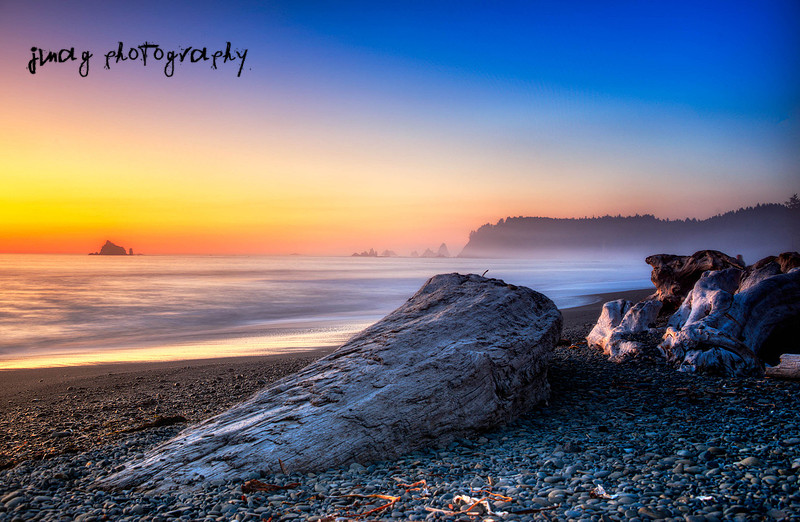
]]>
- Jennifer

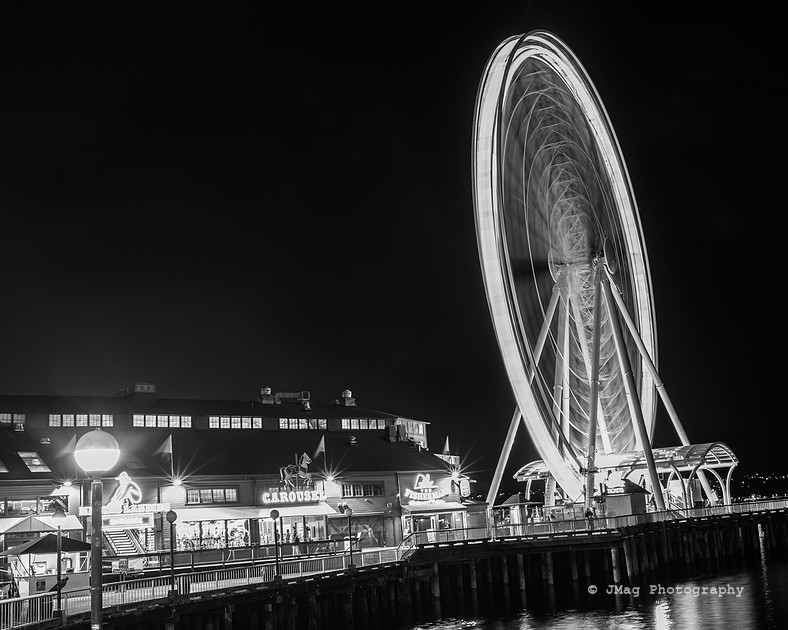
The wheel can be found at Pier 57 in Seattle. It opened on June 29, 2012 and is with an overall height of 175 feet, the tallest Ferris wheel on the West coast of the United States.
]]>
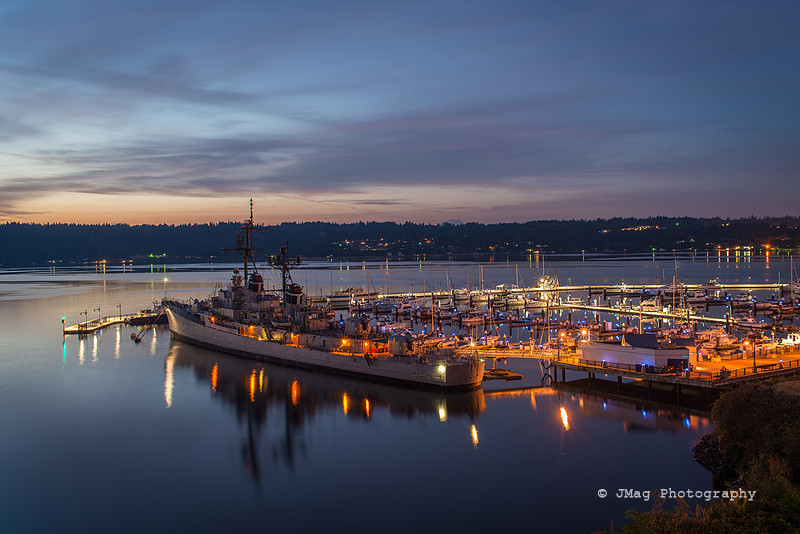 ]]>

Whenever I go home to Germany and stay with my family there is cooking involved :-)
]]> In March of this year, during my 2-day excursion to the area with fellow photography friends, I was very fortunate to experience a storm as it rolled into the area. The storm brought with it wonderfully shaped clouds which danced in the sky and created dramatic formations of ever-changing light. The storm added new elements to the already intense and dramatic landscape and truly became a photographers dreamspot for me! The “Alabama Hills” consist of a range of hills and geological rock formations near the eastern slant of the Sierra Nevada Mountains. It is located in the Owens Valley, which lies west of Lone Pine in Inyo County, California. Mount Whitney, the tallest mountain in the contiguous United States, towers high above the valley.The area is only 2½ hours from Los Angeles and a popular filming location for TV and film productions. Since the 1920s, about 150 movies and a dozen television shows have been filmed in the "Hills." Among the main attractions in the "Hills" are dozens of natural arches, to include the Mobius Arch, the Lathe Arch, and many more. The two main types of rock to be seen here are an orange volcanic rock and potato-shaped large boulders.
Many of these stand on end due to spheroidal weathering acting upon nearly-vertical joints in the rock. While the rocks of "Alabama Hills" are identical in composition to the 14,000-foot peaks looming above, the difference in appearance is the result of the weathering processes. Up high, the freezing snow has caused the splintering of the granite seen at Mount Whitney. Down in the warmer Owens Valley, the "Alabamas" took shape when the climate became drier, exposing and shaping the piles of boulders. Water and wind continue to shape the landscape and rocks to this very day. The beige and blacks in the mottled coloring are the result of being stained for millions of years by the oxidation of the iron minerals in the rock.
- Jennifer
]]>
 The Dunes, are located in California, near the Arizona/Baja California border. They span an incredible 72 kilometers and run northwest by southeast, correlating to the prevailing northerly and westerly wind directions. They are split into different sections: Glamis, Gordon's Well, Buttercup, Midway, and Patton's Valley, and have been used in several films ( the Tatooine scenes in Return of the Jedi, Flight of the Phoenix, Resident Evil and others).There are many different ideas about how the dunes have formed. One of the ideas is that because the Colorado River flowed through very flat terrain, the course of the river has varied widely over the last few hundred years, periodically diverting in one direction or another by silt deposits left after floods. Sometimes the river flowed into the Gulf of California, as it does today; other times it turned westward toward the Salton Sink. Each time the river diverted to the Salton Sink, a very large freshwater lake called Lake Cahuilla formed.
 The most popular theory about the formation of the Algodones Dunes says that they were the windblown beach sands of Lake Cahuilla. The prevailing westerly and northwesterly winds, people surmise, carried the sand eastward from the old lake shore to their present location (which continues to migrate southeast by approximately one foot per year). Regardless of how they were formed, the dunes have been a barrier to human movement in the area for years. Foot travelers before the 1900s would frequently divert south into Mexico, and even the 1877 Southern Pacific Railroad diverted north to avoid them.
 Then, in 1915, Colonel Ed Fletcher built a wooden plank road across the dunes connecting San Diego with Yuma, Arizona, to prove that cars could cross the dunes. This trail eventually became part of what we know today as Interstate 8. Later, during World War II, the U.S. military began conducting desert warfare training on the dunes, which were then part of the California-Arizona Maneuver Area. Ever since, people have been driving on the dunes for recreation using the first dune buggies and off-road Jeeps (following WW II, when surplus Jeeps became available to the public). If you ever get a chance to travel out to this rich and visually stunning desert paradise, I STRONGLY recommend you take advantage of the opportunity !
-Jennifer
]]>
No matter how much this South Los Angeles neighborhood has changed over the years, Watts is remembered for the grainy television images of urban violence in 1965 and 1992. The towers are here because Mr. Rodia settled on a plot of land that was large enough to hold what would eventually become 17 structures. The other plot of land he considered would have been more accessible on Wilshire Boulevard in Beverly Hills, but this was just as well because the Beverly Hilton was eventually constructed on that site amidst the most fashionable shopping strip in the country.
The work is an example of non-traditional vernacular architecture and American naive art. The towers are considered to be the world’s largest single construction built by one individual. They consist of seventeen sculptures, made out of steel, covered with mortar, and embellished by mosaic tiles, glass, clay, shells, and rock. Instead of a inner armature, Mr. Rodia wired rebars together using nearby railroad tracks as a makeshift vise, then wrapped this joint with wire mesh and hand packed it with mortar and his mosaic surface. He built the structures with no special equipment or predetermined design, working alone with hand tools and window-washer's equipment.
Neighborhood children brought pieces of broken glass and pottery to Rodia, some of which were added, but the majority of his material consisted of damaged pieces from the Malibu Pottery, located nearby. Green glass includes recognizable soft drink bottles from the 1930s through 1950s. Other items came from alongside the railway between Watts and Wilmington. Rodia often walked the railway all the way to Wilmington in search of material (a distance of nearly 20 miles). Rodia reportedly didn’t get along with his neighbors, some of whom allowed their children to vandalize his work. Rumors began circulating that the towers were antennae designed to communicate with enemy Japanese forces, which raised suspicion within the neighborhood, leading to further vandalism. In 1955, Rodia gave the property away and left, reportedly tired of the abuse he had received. He retired to Martinez, California, and never came back. He died nearly a decade later.When the property changed hands, Rodia's bungalow within the enclosure was burned down, and the city of Los Angeles  condemned the structure and ordered it razed. Actor Nicholas King and a film editor named William Cartwright visited the site in 1959, saw the neglect, and purchased the property for $3,000 in order to preserve it. When the city found out about the transfer, it decided to perform the demolition before the transfer went through. The towers had already become famous and there was opposition from around the world. King, Cartwright, and museum curator Jim Elliott, along with area architects, artists, and community activists formed the Committee for Simon Rodia's Towers in Watts. The Committee negotiated with the city to allow for an engineering test to establish the safety of the structures. For the test, steel cable was attached to each tower and a crane was used to exert lateral force. The crane was unable to topple or even shift the towers with the forces applied, and the test was concluded when the crane experienced mechanical failure. The towers are one of nine folk art sites listed in the National Register of Historic Places, and were designated a National Historic Landmark in 1990. The structures suffered minor damage in the North Ridge earthquake in 1994, after which they were repaired and reopened in 2001. The towers were again damaged during a 2008 windstorm and were closed to the public briefly until March 2009. There is also damage from random acts of vandalism. All in all, the towers are a marvel to observe and I hope I captured their magic in my photographs.
- Jennifer
]]>
]]>
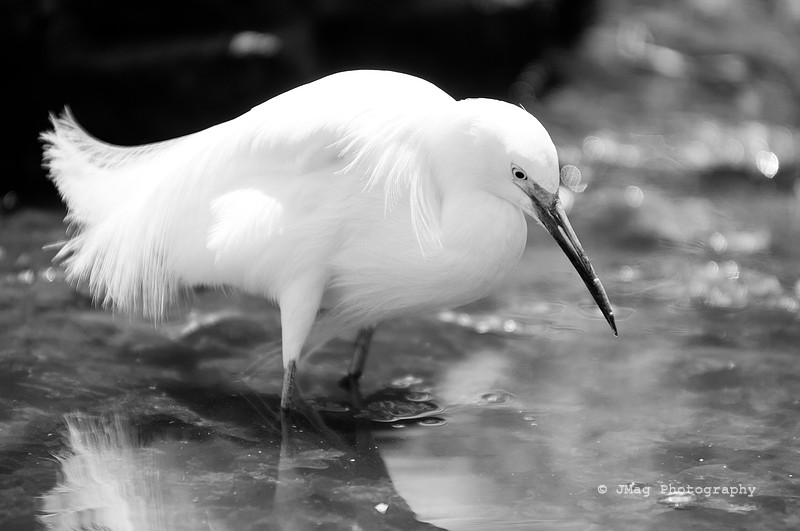
]]>
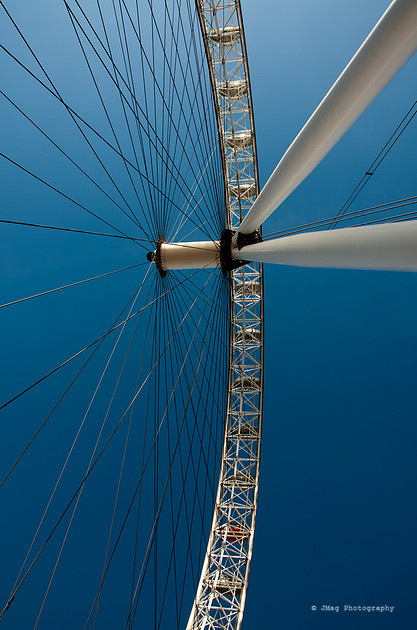
Photo from my travels to London. What a great place! I will be back for sure.
]]>

There are many myths about the Salton Sea, the most prevalent of which is that it is highly toxic and polluted. Though the massive death of fish every summer fuels the rumors, it turns out that the culprit is actually a combination of the area’s high temperatures and the sea's high salinity level. Together, they cause a massive depletion in the oxygen level that ultimately suffocate the fish. A second rumor surrounding the Salton Sea is that it’s dying. This one is actually true. Each year, the sea becomes progressively saltier, eventually leading to a point where it will completely stop supporting life. In the 1950s, the Salton Sea was a very popular tourist destination attracting visitors from around the country to enjoy the great fishing and water skiing. Significant sums of money were invested into the area to develop resorts, spas, and other facilities. Unfortunately, a series of reoccurring storms and flooding in the 1970s took a toll on the resort. As salinity rose, wildlife began dying off, and people got scared. Eventually, they stopped coming altogether. The Salton Sea faded from memory leaving Palm Springs to become the popular new desert oasis.

Today, the scattered ruins throughout the area serve as a testament to the once glorious days of the Salton Sea. The town of Niland once served as the gateway to the mighty Imperial Valley, with a train station that brought visitors from far and wide. In its hey day, Niland was also hailed as the tomato capital of the world, though a visit to the town these days reveals a community that serves more as an interesting relic of the past than an agricultural giant.

Salvation Mountain is the wonderful and visually stimulating creation of Leonard Knight. He is an incredibly warm and friendly man who personally welcomes each and every visitor as they come from near and far to witness his life' s work. He gave us an amazing tour of the mountain and the surrounding area, carefully drawing our attention to incredible details such as his pair of soaring blue birds that flew high above our heads. He built and maintained the mountain for over 25 years, and shares with each visitor a single message: God loves everyone! The numerous other machinery and vehicle creations serve as free-standing works of art whose colorful coats of paint capture the imagination.

Slab City got its name from the concrete slabs and pylons that remain from the abandoned World War II Marine Corps base called Camp Dunlap. In 1956, the base was dismantled and decommissioned, leaving platforms of concrete that have become home to a community of outgoing, eccentric, and welcoming people. Though some of the residents boast a strong desire to be freed from the U.S. government, many more of the community residents are simply RV owners who enjoy the campsites. The Slab City stage area has become affectionately known as “The Range,” which hosted eclectic array of performers at the annual talent show held every January.

Finally, I saw these amazing little natural creations called the “Mud Volcanoes”. These mud pots and sputtering mud volcanoes are caused by ground water seeping through the earth into an underground layer of limestone, which dissolves and produces, among other things, carbon dioxide gas that fires upward toward the sky—producing mountains of mud that hiss and bubble and spurt mud.
- Jennifer